Blood Oxygen Monitor OEM: A One-Stop Guide from White-Label to Brand
1. What is Blood Oxygen Monitor OEM?
OEM (Original Equipment Manufacturer) refers to "white-label production." In the blood oxygen monitor industry, it means you, as the brand owner, commission a factory with medical device production qualifications to manufacture finger-clip pulse oximeters bearing your own brand logo, according to your brand requirements and product specifications.
Simply put: the factory "manufactures" while you "sell" — the core technology and production processes are provided by the factory, while the brand, packaging, distribution channels, and pricing power belong entirely to you.
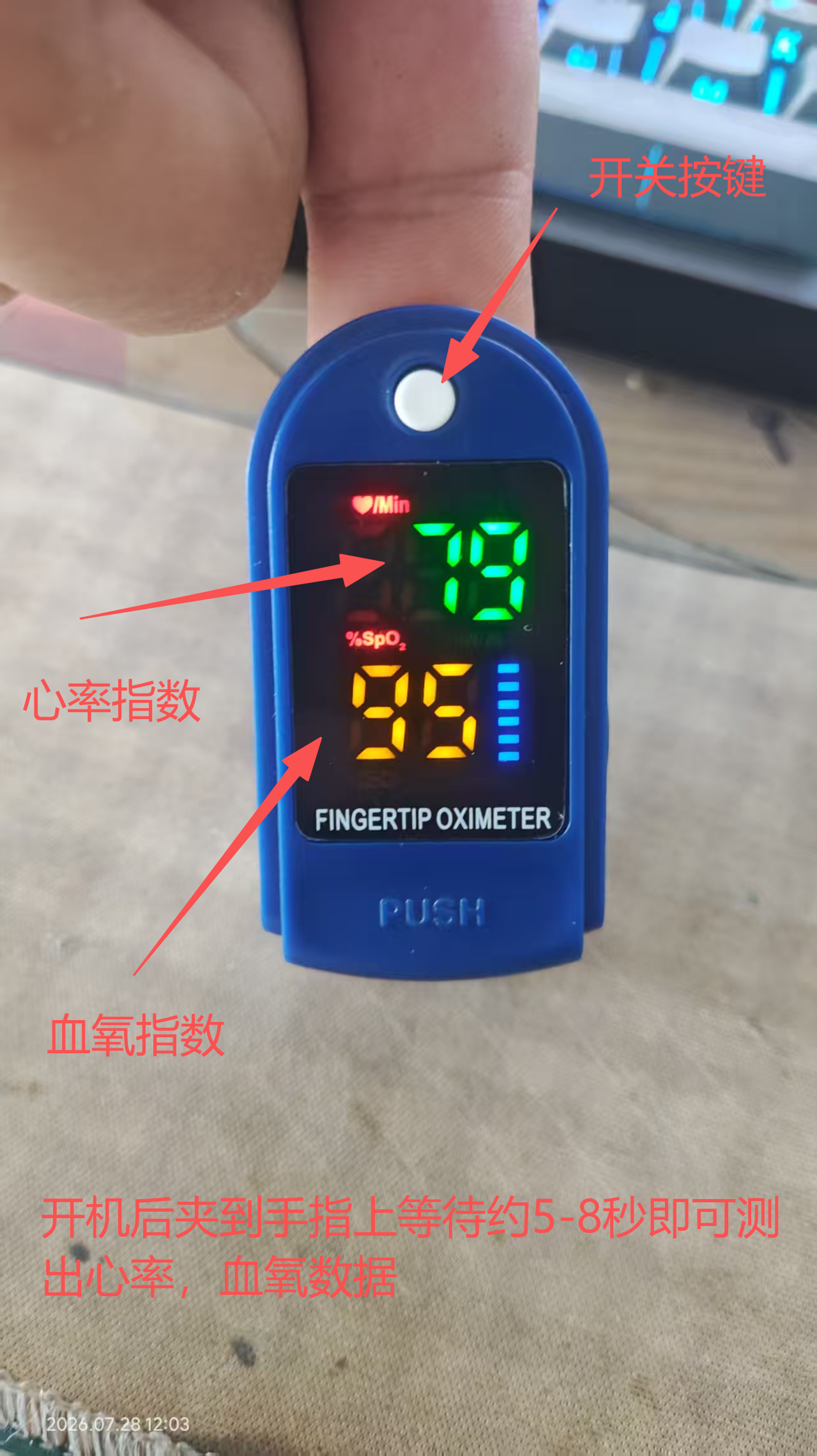
📌 For example: our company's "BestMed Blood Oxygen Monitor BS-P01" (retail price ¥69/unit, weight only 0.08kg) is a typical own-brand product that can serve as a perfect template for OEM cooperation.
2. Why Choose Blood Oxygen Monitor OEM?
1. 🚀 Low Barrier to Entry into the Medical Device Market
Without building your own factory or investing heavily in R&D, you can quickly enter the home medical device market and seize the golden track of blood oxygen monitoring.
2. 💰 Controllable Costs, Large Profit Margins
The OEM model eliminates heavy asset investments such as plant, equipment, R&D, and labor. You only pay product cost plus processing fees, allowing flexible capital turnover. Take the BestMed oximeter as an example: cost price ¥32, retail price ¥69 — gross margin exceeds 50%. OEM cooperation can replicate a similar profit model.
3. 🏷️ Full Brand Autonomy
Products carry exclusively your brand and packaging. Consumer recognition accumulates on your brand, laying the foundation for future product line expansion (blood pressure monitors, thermometers, glucose meters, etc.).
4. ⏱️ Rapid Time-to-Market
Mature OEM factories have standardized production lines. From sample confirmation to bulk shipment typically takes only 2–4 weeks, helping you seize market opportunities.
5. 🎨 Flexible Customization
LOGO, appearance colors, packaging design, instruction manual languages, and accessory configurations can all be customized to meet differentiated needs across countries and channels.
3. Customizable Options for Blood Oxygen Monitor OEM
| Customization Dimension | Options |
|---|---|
| Brand Identity | Body LOGO silk-screen/laser engraving, outer packaging printing |
| Appearance Design | Colors, shell material (ABS/silicone), size, shape |
| Display Screen | Monochrome LCD, OLED color screen, dual-color display |
| Functional Configuration | SpO₂ + pulse rate, Bluetooth transmission, APP integration, alarm function |
| Accessory Bundles | Lanyard, storage case, batteries, manual, warranty card |
| Packaging Solutions | Color box, blister pack, gift box, multilingual manuals |
| Certification Needs | CE, FDA, RoHS, CFDA for export/domestic sales |
4. Core Technical Specifications for OEM Oximeters
A professional OEM requirements document should include the following key technical parameters:
Measurement Performance
- Blood Oxygen Saturation (SpO₂) Range: 70%–99%, accuracy ±2%
- Pulse Rate (PR) Range: 30–250 bpm, accuracy ±2%
- Measurement Method: Dual-wavelength optical measurement (red 660nm + infrared 940nm)
- Response Time: Results within 8–10 seconds of power-on
Hardware Specifications
- Display: High-definition digital screen with pulse waveform bar
- Power Supply: 2 AAA batteries / built-in lithium battery (customizable)
- Weight: Within approximately 80g, portable design
- Auto Power-Off: Auto shutdown after 8 seconds without a signal to save energy
Clinical Validation
- Clinical trial data comparison required to ensure consistency with standard oximeters
- Anti-motion interference and low-perfusion testing
5. Compliance Requirements for Oximeter OEM (Important!)
The blood oxygen monitor is a Class II medical device. Compliance is the top priority in OEM cooperation — be sure to verify factory qualifications:
Domestic Sales (Chinese Market)
| Certificate | Description |
|---|---|
| Medical Device Registration Certificate | Class II medical device registration (National/Provincial Medical Products Administration) |
| Medical Device Production License | Factory must possess production qualifications |
| Product Technical Requirements/Test Reports | Type test and registration test reports |
Export Sales (International Markets)
| Market | Certification Requirements |
|---|---|
| European Union | CE (MDR 2017/745 Regulation) |
| United States | FDA 510(k) Registration |
| Southeast Asia | Registration with national health authorities (e.g., Thailand TFDA) |
| Other Countries | Environmental directives such as RoHS, REACH |
⚠️ Special Reminder: When cooperating via OEM, be sure to confirm the ownership of the "registration certificate." Some factories offer a shared registration certificate licensing model, but the most reliable approach is to complete registration under your own company name to achieve true brand autonomy.
6. OEM Cooperation Process (Six Steps)
① Requirements Communication → ② Sample Confirmation → ③ Contract Signing → ④ Batch Production → ⑤ QC & Shipment → ⑥ After-Sales Support
| Stage | Key Actions |
|---|---|
| ① Requirements Communication | Clarify product specs, customization items, target market, certification needs, expected quantity |
| ② Sample Confirmation | Factory produces samples (including LOGO and packaging mockups) for appearance and function confirmation |
| ③ Contract Signing | Clarify unit price, MOQ, delivery time, quality standards, and IP clauses |
| ④ Batch Production | Factory schedules production; brand owners can station QC inspectors for random checks |
| ⑤ QC & Shipment | Full/random inspection before shipment, provide QC reports, arrange logistics |
| ⑥ After-Sales Support | Factory provides repair parts and technical support within warranty period |
💡 Negotiation Tips: MOQ is typically 1,000–5,000 units, with unit price decreasing as quantity increases. Be sure to sign a Non-Disclosure Agreement (NDA) to protect your brand and channel information.
7. Market Outlook for Blood Oxygen Monitors
Market Size Continues to Expand
- The global blood oxygen monitor market is expected to grow at a 6%–8% CAGR;
- Accelerated population aging and the growing number of chronic respiratory disease patients (COPD, asthma) drive strong demand for home monitoring;
- In the post-pandemic era, public health awareness of blood oxygen monitoring has significantly increased — the oximeter has evolved from a "medical device" to a "home essential."
Consumer Trends
- Portability: Lightweight, pocket-sized, easy to carry on the go;
- Intelligence: Bluetooth connectivity to smartphone apps, cloud data recording, family sharing;
- Multi-Scenario: Sports and fitness, high-altitude travel, sleep monitoring, elderly care.
Target Customer Segments
| Segment | Needs & Characteristics |
|---|---|
| Middle-aged and elderly | Daily monitoring of chronic conditions; simple operation, large display |
| Athletes/Fitness enthusiasts | Portable, fast, accurate data |
| Families with children | Cute appearance, safe materials |
| Medical institutions/Nursing homes | Bulk purchasing, high stability, cost-effectiveness |
8. How to Choose a Reliable Oximeter OEM Factory?
- Verify Qualifications ✅ Request original Medical Device Registration Certificate and Production License
- On-Site Factory Audit 🏭 Inspect production line automation, cleanroom standards, and QC systems
- Request Samples 🔬 Personally test measurement accuracy, consistency, and build quality
- Review Track Record 📁 Learn about their brand clients and markets served (domestic/export)
- Sign a Contract 📄 Clearly define quality standards (AQL sampling), liability, and IP ownership
9. Conclusion
Blood oxygen monitor OEM is a low-barrier, high-return, sustainable brand-building path. By choosing a factory with complete qualifications, mature technology, and reliable service, combined with a clear market positioning and channel strategy, you can leverage a modest investment to tap into the vast space of the home medical device market.
If you are looking for blood oxygen monitor OEM cooperation, we recommend starting with these three points:
① Define your target market (domestic/export) and certification budget;② Prepare a detailed requirements specification (Section 4 of this article can serve as a template);③ Compare 2–3 factories and conduct on-site visits before signing.
Leave the professional work to the factory, keep the brand value for yourself — that is the core appeal of OEM.
💡 Need further assistance? We can help you:
- Export this article as a Word/PDF document;
- Create an OEM cooperation requirements specification template (Excel);
- Generate an OEM factory screening checklist/comparison table;
If needed, please contact Junhe Medical: [email protected]
血氧仪OEM代工全攻略:从贴牌到品牌的一站式指南
一、什么是血氧仪OEM?
OEM(Original Equipment Manufacturer,原始设备制造商) 即"贴牌生产"。对于血氧仪行业而言,指您作为品牌方,委托具备医疗器械生产资质的工厂,按照您的品牌要求和产品规格,生产带有**您自己品牌标识(LOGO)**的指夹式脉搏血氧仪。
简单来说:工厂负责"造",您负责"卖" —— 产品核心技术、生产工艺由工厂提供,而品牌、包装、渠道、定价权完全属于您。
📌 举个例子:我司推出的"贝斯美德血氧仪 BS-P01"(销售价¥69/台,重量仅0.08kg)便是典型的自有品牌产品,这类产品完全可以作为OEM合作的基础模板。
二、为什么选择血氧仪OEM?
1. 🚀 低门槛进入医疗器械赛道
无需自建工厂、无需投入巨额研发资金,即可快速进入家用医疗器械市场,抢占血氧监测这一黄金赛道。
2. 💰 成本可控,利润空间大
OEM模式省去了厂房、设备、研发、人工等重资产投入,只需支付产品成本 + 代工费,资金周转灵活。以贝斯美德血氧仪为例,成本价¥32、销售价¥69,毛利超50%,OEM合作可实现类似的利润模型。
3. 🏷️ 品牌自主可控
产品完全使用您的品牌与包装,消费者认知沉淀在您的品牌上,为后续产品线扩张(血压计、体温计、血糖仪等)打下基础。
4. ⏱️ 快速上市
成熟的OEM工厂拥有标准化产线,从确认样品到批量出货通常只需 2-4 周,抢占市场先机。
5. 🎨 灵活定制
LOGO、外观配色、包装设计、说明书语言、配件搭配均可定制,满足不同国家、不同渠道的差异化需求。
三、血氧仪OEM可定制的内容
| 定制维度 | 可选项 |
|---|---|
| 品牌标识 | 机身LOGO丝印/激光雕刻、外包装印刷 |
| 外观设计 | 颜色、外壳材质(ABS/硅胶)、尺寸、造型 |
| 显示屏幕 | 单色LCD、OLED彩屏、双色显示 |
| 功能配置 | 血氧+脉率、蓝牙传输、APP联动、报警功能 |
| 配件组合 | 挂绳、收纳盒、电池、说明书、保修卡 |
| 包装方案 | 彩盒、吸塑、礼盒装、多国语言说明书 |
| 认证需求 | CE、FDA、RoHS、CFDA等出口/内销认证 |
四、OEM血氧仪的核心技术指标
一份专业的OEM需求单,应包含以下关键技术参数:
测量性能
- 血氧饱和度(SpO₂)测量范围:70%–99%,精度 ±2%
- 脉率(PR)测量范围:30–250 次/分,精度 ±2%
- 测量方式:双波长光学测量(红光660nm + 红外光940nm)
- 响应时间:开机 8–10 秒出结果
硬件规格
- 显示:高清数码屏,带脉搏波形条
- 供电:2 节 AAA 电池 / 内置锂电池(可定制)
- 重量:约 80g 以内,便携设计
- 自动关机:无信号8秒自动关机,节能省电
临床验证
- 需通过人体临床试验数据比对,确保与标准血氧仪一致性
- 抗运动干扰、抗弱灌注能力测试
五、血氧仪OEM的合规要求(重点!)
血氧仪属于二类医疗器械,合规是OEM合作的重中之重,务必确认工厂资质:
国内销售(中国市场)
| 证件 | 说明 |
|---|---|
| 医疗器械注册证 | 二类医疗器械注册(国家/省药监局) |
| 医疗器械生产许可证 | 工厂须具备生产资质 |
| 产品技术要求/检验报告 | 型式检验、注册检验报告 |
出口销售(国际市场)
| 市场 | 认证要求 |
|---|---|
| 欧盟 | CE(MDR 2017/745 法规) |
| 美国 | FDA 510(k) 注册 |
| 东南亚 | 各国卫生部门注册(如泰国TFDA等) |
| 其他国家 | RoHS、REACH 等环保指令 |
⚠️ 特别提醒:OEM合作时务必确认"注册证主体"归属。部分工厂提供贴牌借用注册证模式,但最稳妥的是以您公司名义完成注册,才能真正实现品牌自主。
六、OEM合作流程(六步走)
① 需求沟通 → ② 打样确认 → ③ 合同签订 → ④ 批量生产 → ⑤ 质检出货 → ⑥ 售后支持
| 阶段 | 关键动作 |
|---|---|
| ① 需求沟通 | 明确产品规格、定制项、目标市场、认证需求、预期数量 |
| ② 打样确认 | 工厂制作样品(含LOGO、包装效果图),确认外观与功能 |
| ③ 合同签订 | 明确单价、MOQ(最小起订量)、交期、质量标准、知识产权条款 |
| ④ 批量生产 | 工厂排产,品牌方可派驻质检员驻厂抽检 |
| ⑤ 质检出货 | 出厂全检/抽检,提供质检报告,物流发货 |
| ⑥ 售后支持 | 工厂提供质保期内维修配件与技术支持 |
💡 谈判要点:MOQ通常为 1000–5000台,单价随数量递减;务必签订保密协议(NDA),保护您的品牌与渠道信息。
七、血氧仪市场前景分析
市场规模持续扩大
- 全球血氧仪市场预计以 6%-8% 的年复合增长率 增长;
- 人口老龄化加速、慢性呼吸系统疾病(慢阻肺、哮喘)患者增多,家用监测需求旺盛;
- 后疫情时代,公众对血氧监测的健康意识显著提升,血氧仪已从"医疗设备"走向"家庭常备"。
消费趋势
- 便携化:轻巧、口袋装,出行随身携带;
- 智能化:蓝牙连接手机APP,数据云端记录、家人共享;
- 多场景化:运动健身、高原旅行、睡眠监测、养老看护。
目标客群
| 客群 | 需求特征 |
|---|---|
| 中老年人群 | 慢性病日常监测,操作简单、大字显示 |
| 运动人群 | 便携、快速、数据精准 |
| 母婴/家庭 | 外观可爱、安全材质 |
| 医疗机构/养老院 | 批量采购、稳定性强、性价比高 |
八、如何选择靠谱的血氧仪OEM工厂?
- 查验资质 ✅ 要求出示医疗器械注册证、生产许可证原件
- 实地验厂 🏭 考察产线自动化程度、无尘车间、品控体系
- 索要样品 🔬 亲自测试测量精度、一致性、做工细节
- 查阅案例 📁 了解其服务过的品牌客户与市场(国内/出口)
- 签订合同 📄 明确质量标准(AQL抽检标准)、违约责任、知识产权归属
九、结语
血氧仪OEM是一条低门槛、高回报、可持续的品牌创业路径。选择一家资质齐全、技术成熟、服务到位的代工厂,配合清晰的市场定位与渠道规划,就能以较小的投入撬动家用医疗器械市场的广阔空间。
如果您正在寻找血氧仪OEM合作,建议从以下三点入手:
① 明确自己的目标市场(国内/出口)与认证预算;② 准备一份详细的需求规格书(本文第四节可作模板);③ 多对比 2-3 家工厂,实地考察后再签约。
把专业的事交给工厂,把品牌的价值留给自己 —— 这就是OEM的核心魅力。