生成英文版
Comprehensive Science and Technology Museum Construction Plan
1. Project Vision and Positioning
1.1 Construction Vision
To build a modern science and technology museum integrating scientific rigor, entertainment, interactivity, and innovation, serving as the region's core platform for science popularization, an important carrier for science and technology culture dissemination, and a key facility for enhancing public scientific literacy.
1.2 Functional Positioning
- Science Education Center: Systematic science popularization base for youth and the general public
- Technology Experience Center: Immersive space for experiencing cutting-edge technologies
- Innovation Practice Center: Open laboratory for scientific inquiry and hands-on practice
- Cultural Exchange Center: Public platform for science and technology cultural exchange and display
2. Overall Venue Planning
2.1 Architectural Layout Plan
text
Recommended "Core + Wings" layout for main building:

Central Core Area (40%): Permanent exhibition halls, central atrium, public spaces
Thematic Exhibition Wings (35%): Specialized halls for aerospace, AI, life sciences, etc.
Supporting Functional Areas (25%):
  - Academic Zone: Lecture halls, laboratories, makerspaces
  - Service Zone: Visitor center, science shop, dining areas
  - Administrative Zone: Offices, equipment rooms, storage
2.2 Recommended Area Allocation
| Functional Zone | Area Percentage | Functional Description |
|---|---|---|
| Permanent Exhibitions | 45% | Basic sciences, frontier technologies, local characteristics |
| Temporary Exhibitions | 15% | Traveling exhibitions, special exhibitions |
| Interactive Experience Zone | 20% | Science theaters, immersive experiences, laboratories |
| Public Service Zone | 10% | Lobby, rest areas, information desk |
| Support & Logistics Zone | 10% | Offices, equipment, storage, security |
2.3 Site Requirements
- Site Area: Recommended 20,000-50,000 m²
- Building Coverage Ratio: ≤35%
- Green Space Ratio: ≥30%
- Parking Spaces: 10-15 spaces per 1,000 m² of building area
- Accessibility Facilities: Fully compliant with national standards
3. Exhibition Content Design
3.1 Permanent Exhibition System
A. Basic Sciences Zone (30%)
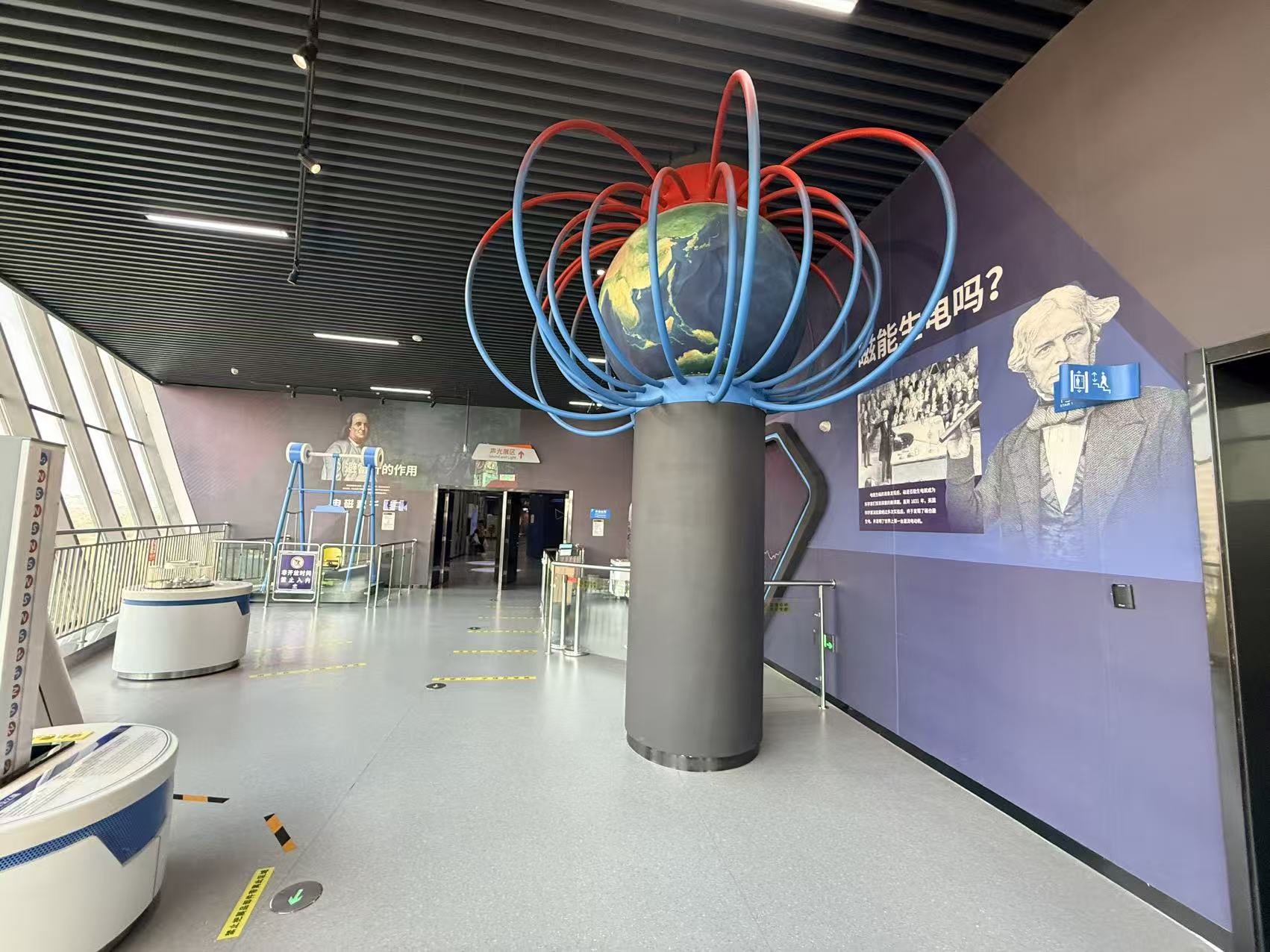
- Physical World: Interactive installations for mechanics, optics, electromagnetism
- Mathematical Mysteries: Mathematical models, puzzles, geometric art
- Chemical Exploration: Molecular structures, reactions, material science
B. Frontier Technologies Zone (40%)
text
Aerospace Zone:
  - 1:1 spacecraft models
  - Flight simulation experiences
  - Space environment simulations

Artificial Intelligence & Robotics:
  - Human-machine interaction experiences
  - Robotics performance area
  - AI application displays

Life Sciences & Health:
  - Interactive human body exploration
  - Genetic technology displays
  - Medical innovation showcases
C. Special Theme Zones (20%)
- Local scientific and technological achievements
- Future cities and smart living
- Sustainable development and ecology
D. Scientific Exploration Zone (10%)
- Makerspace laboratories
- Science workshops
- DIY creation areas
3.2 Innovative Exhibition Technologies
- Immersive Projection Systems: Holography, dome theaters
- Interactive Experience Technologies: VR/AR/MR equipment
- Smart Guide Systems: Location-based commentary services
- Data Visualization Displays: Real-time data interactive walls
4. Key Architectural and Spatial Design Points
4.1 Architectural Design Principles
- Technological Aesthetic: Modern architectural language reflecting technological character
- Flexibility: Modular design for easy exhibition updates and modifications
- Human-Centric Design: Ergonomic considerations, visitor comfort focus
- Sustainability: Green building standards, energy-efficient and environmentally friendly design
4.2 Spatial Design Requirements
text
1. Exhibition Spaces
   - Ceiling height: ≥6m (≥10m for large exhibit areas)
   - Column grid: ≥12×12m to minimize visual obstruction
   - Load capacity: ≥500kg/m² for special exhibition zones

2. Public Spaces
   - Atrium design: Natural lighting, visual corridors
   - Circulation design: Unidirectional or circular visitor flow
   - Rest areas: One every 800-1000 m²

3. Special Spaces
   - Dome theaters: Independent structures, professional acoustics
   - Laboratories: Standard lab benches, ventilation systems
   - Makerspaces: Open layout, fully equipped
4.3 Specialized Design Requirements
Structural Systems:
- Large-span steel structures for flexible exhibition layouts
- Reserved openings for heavy equipment installation and transportation
MEP Systems:
- Intelligent lighting control systems
- Professional-grade HVAC and ventilation systems
- Integrated weak and strong current cabling systems
Safety Systems:
- Comprehensive video surveillance coverage
- Intelligent fire alarm and suppression systems
- Emergency broadcast and evacuation guidance systems
5. Exhibit Development and Integration
5.1 Exhibit Development Process
text
Requirements Analysis → Conceptual Design → Technical Design → Prototype Development
    ↓
Installation & Commissioning ← Mass Production ← Design Review
5.2 Key Exhibit Directions
| Exhibit Type | Development Focus | Technical Requirements |
|---|---|---|
| Large Interactive Installations | Space simulators, earthquake experience rooms | Structural safety, system stability |
| Multimedia Exhibits | Immersive projections, interactive walls | Custom software, hardware integration |
| Scientific Models | Large mechanical models, biological models | Precision manufacturing, detailed accuracy |
| Experimental Apparatus | Physics/chemistry experiment stations | Operational safety, clear principles |
5.3 Exhibit Maintenance Plan
- Daily Maintenance: Routine inspection, cleaning, basic adjustments
- Regular Maintenance: Monthly comprehensive checks, quarterly professional maintenance
- Major Overhauls: Annual comprehensive inspection, partial updates every 3-5 years
6. Smart Museum Construction
6.1 Smart Management System
text
Intelligent Operations Center:
  ├── Visitor Flow Analysis: Real-time monitoring, crowd management
  ├── Equipment Monitoring: Exhibit status, fault alerts
  ├── Energy Management: Smart regulation, efficiency optimization
  ├── Security Integration: Unified dispatch, emergency command
6.2 Smart Service Systems
- Smart Ticketing: Online booking, facial recognition, contactless payment
- Smart Guidance: AR navigation, intelligent commentary, personalized recommendations
- Interactive Experience: Mobile interaction, social sharing, point systems
- Data Analytics: Visitor behavior analysis, satisfaction surveys
6.3 IT Infrastructure
- 10Gb backbone + 1Gb access network
- Comprehensive high-speed WiFi (supports high concurrency)
- IoT platform (equipment networking management)
- Cloud computing platform (data storage and analysis)
7. Operations Management Plan
7.1 Recommended Organizational Structure
text
Director
├── Exhibition & Education Department (curation, guiding)
├── Technical Department (equipment maintenance, system operations)
├── Education Department (program development, activity organization)
├── Operations Department (ticketing, venue operations)
└── Administration Department (HR, logistics, external relations)
7.2 Staffing Plan
| Position | Number | Qualification Requirements |
|---|---|---|
| Management Team | 5-8 | Bachelor's degree or higher, 5+ years experience |
| Exhibition Educators | 20-30 | STEM background, standard Mandarin |
| Technical Maintenance | 10-15 | Electrical/mechanical/computer engineering |
| Operations & Services | 15-20 | Strong service orientation, communication skills |
| Total | 50-75 | (Estimated for 10,000 m² building area) |
7.3 Financial Operations Model
Revenue Sources:
- Ticket sales (40-50%)
- Government service purchases (educational programs)
- Merchandise sales (cultural products, educational toys)
- Venue rentals (conferences, events)
- Corporate partnerships (naming rights, joint development)
Cost Structure:
- Staff salaries (40-45%)
- Utilities and maintenance (20-25%)
- Exhibit updates (15-20%)
- Program organization (10-15%)
8. Investment Estimate and Timeline
8.1 Investment Composition (Reference)
| Item | Percentage | Description |
|---|---|---|
| Construction | 35-40% | Civil works, fit-out, installation |
| Exhibit Production | 30-35% | R&D, manufacturing, installation |
| Equipment Systems | 15-20% | Smart systems, specialized equipment |
| Pre-construction | 5-8% | Design, consulting, approvals |
| Contingency | 5% | Unforeseen expenses |
Total Investment Estimate: Approximately 8,000-12,000 RMB per square meter
8.2 Construction Timeline
text
Phase 1: Preliminary Work (3-6 months)
  - Feasibility study, concept design, project approval

Phase 2: Design Development (4-6 months)
  - Architectural design, exhibition design, specialized designs

Phase 3: Construction (12-18 months)
  - Civil works, equipment installation, interior fit-out

Phase 4: Exhibit Production & Installation (8-10 months)
  - Exhibit manufacturing, system integration, testing

Phase 5: Trial Operation (2-3 months)
  - Staff training, system debugging, improvements
9. Sustainable Development Strategy
9.1 Content Update Mechanism
- Permanent Exhibitions: Complete renewal every 5-8 years
- Temporary Exhibitions: 3-5 high-quality traveling exhibitions annually
- Interactive Exhibits: 15-20% annual update rate
- Educational Programs: Quarterly theme updates, continuous innovation
9.2 Partnership Network
- Research Institutions: Joint laboratories, shared research outcomes
- Schools: Curriculum development, practice bases
- Corporations: Technology showcase platforms, R&D commercialization
- Media: Science communication, brand building
9.3 Quality Improvement Plan
- Visitor Research: Regular behavior analysis
- Professional Exchange: Participation in domestic/international industry events
- Certification: Application for national/international quality certifications
- Continuous Improvement: PDCA cycle implementation
10. Risk Assessment and Mitigation
10.1 Key Risk Identification
text
1. Technical Risks
   - Rapid exhibit technology obsolescence
   - High system integration complexity
   - New technology implementation challenges

2. Operational Risks
   - Unstable visitor numbers
   - Operational cost control difficulties
   - Professional talent shortages

3. Market Risks
   - Competition from similar venues
   - Changing visitor interests
   - Policy environment fluctuations
10.2 Risk Mitigation Strategies
- Technology Reserve: Strategic partnerships with research institutions
- Diversified Operations: Multiple revenue stream development
- Talent Development: Internal training system establishment
- Market Research: Regular visitor needs assessment
Conclusion
This plan provides a comprehensive framework for science and technology museum construction, covering planning, design, construction, and operations. Guangxi Junhe Medical Technology will develop detailed, customized implementation plans based on this framework, incorporating specific project characteristics, positioning objectives, and budget considerations.
We are confident that through scientific planning, innovative design, and professional implementation, we can create a modern science and technology museum that is not only visually striking and technologically impressive but also genuinely effective in science education and beloved by the public.
Let us work together to create a scientific temple that enlightens minds and inspires innovation!
About Us: Guangxi Junhe Medical Technology Co., Ltd.
We are an integrated technology service provider specializing in R&D, design, construction, and operation, focused on creating modern science and technology museums that lead the future. Leveraging the rigorous foundation of "medical technology" and our cross-disciplinary innovative capabilities, we are committed to transforming cutting-edge science and technology into immersive, interactive educational experiences, opening wonderful journeys of scientific exploration for the public and youth.
Our Unique Value: One-Stop Integrated Science Museum Solution
We provide full lifecycle services—from “blueprint conception” to “mature operation”—ensuring that every science museum project is not only an architectural landmark but also a dynamic hub for science education.
Core Advantages
- End-to-End Delivery Capability: Covering the entire chain from planning, design, and construction to exhibition development, smart operations, and continuous renewal. We offer turnkey projects, ensuring concept consistency and high-quality implementation.
- Cross-Disciplinary Innovation: Building on the design standards of precision medical equipment, we integrate advanced technologies from aerospace, robotics, artificial intelligence, mathematical and physical simulation, and emergency safety fields. This ensures our exhibits are scientifically rigorous, safely interactive, and experientially impactful.
- "Edutainment"-Driven Design: Through narrative-driven scenarios, exploratory pathways, and deeply interactive exhibits, we make complex principles vivid and engaging, sparking curiosity and creativity.
- Expert Think Tank Support: We collaborate with a strategic team of science education experts, architects, engineers, and educators to ensure projects meet international standards in scientific accuracy, artistic expression, and educational value.
Five-Phase Service Process
| Phase | Service Content | Key Deliverables |
|---|---|---|
| Phase I Strategic Planning & Concept Development | Project positioning analysis, site selection assessment, feasibility studies, thematic conceptual design, investment and operational modeling. | Feasibility Study & Positioning Report Conceptual Design & Master Plan |
| Phase II Integrated Design | Thematic architectural and structural design, exhibition content master planning, core exhibit industrial design, smart museum systems, and supporting facilities design (parking, theaters, etc.). | Complete architectural and exhibition design drawings Exhibit Design & Technical Specifications |
| Phase III High-Standard Implementation | Civil engineering and thematic fit-out, customized exhibit R&D and manufacturing, integration and installation, outdoor science playground construction, smart system deployment. | High-quality physical venue Fully installed and debugged exhibits |
| Phase IV Smart Operations & Launch | Delivery of smart ticketing and management systems, professional training for operational teams, opening event planning, annual science outreach and exhibit renewal planning. | Fully operational smart museum Professional operational team |
| Phase V Sustainable Development | Brand marketing and resource integration support, science IP and cultural product development, long-term content upgrades and maintenance services. | Sustainable brand influence Ongoing visitor engagement and social impact |
Value We Deliver
- Efficiency & Peace of Mind: A single point of responsibility ensures seamless coordination, reduces management complexity and risks, and guarantees on-time, high-quality delivery.
- Cost Optimization & Value Maximization: Holistic planning avoids redundant investments, and integrated procurement controls costs, ensuring every budget allocation maximizes educational impact.
- Risk Management & Experienced Guidance: Mature project management systems and extensive cross-domain experience enable precise risk anticipation and mitigation across technical and operational aspects.
- Long-Term Vitality & Legacy: We deliver not just a building but ongoing content and operational support, ensuring the museum remains attractive and socially influential for years to come.
Invitation for Collaboration
Whether you are planning a new science museum, science center, or seeking to upgrade an existing科普 venue or corporate exhibition hall, Junhe Technology looks forward to partnering with you.
Next Steps We Can Provide:
- A customized project proposal tailored to your needs.
- Reference conceptual designs and a portfolio of successful cases.
- Arrangement of a face-to-depth presentation by our expert team.
Let’s work together to sow the seeds of science in broader fields and create inspirational spaces that ignite the dreams of future generations.
科技馆场馆建设整体解决方案
一、项目理念与定位
1.1 建设愿景
打造集科学性、趣味性、互动性、创新性于一体的现代化科技馆,成为区域科普教育的核心平台、科技文化传播的重要载体、公众科学素质提升的关键阵地。
1.2 功能定位
- 科普教育中心:面向青少年和公众的系统性科普基地
- 科技体验中心:前沿科技的沉浸式体验空间
- 创新实践中心:科学探究与实践的开放实验室
- 文化交流中心:科技文化交流与展示的公共平台
二、场馆总体规划
2.1 建筑规划布局
text
科技馆主体建筑建议采用“一核多翼”布局:

中央核心区(40%):常设展厅、中央大厅、公共空间
专题展翼区(35%):航天科技、人工智能、生命科学等专题展厅
功能配套区(25%):
  - 学术功能区:科普报告厅、实验室、创客空间
  - 服务配套区:游客中心、科学商店、餐饮区
  - 管理办公区:办公、设备、仓储
2.2 建筑面积分配建议
| 功能区 | 面积比例 | 功能说明 |
|---|---|---|
| 常设展厅 | 45% | 基础科学、前沿科技、本地特色科技 |
| 临时展厅 | 15% | 巡回展览、专题展览 |
| 体验互动区 | 20% | 科学剧场、沉浸式体验、实验室 |
| 公共服务区 | 10% | 大厅、休息区、问询处 |
| 后勤保障区 | 10% | 办公、设备、仓储、安防 |
2.3 场地要求
- 占地面积:建议20,000-50,000平方米
- 建筑密度:≤35%
- 绿地率:≥30%
- 停车位:按建筑面积每1,000㎡配置10-15个车位
- 无障碍设施:全面覆盖,符合国家标准
三、展陈内容设计
3.1 常设展览体系
A. 基础科学展区(30%)
- 物理世界:力学、光学、电磁学互动装置
- 数学奥秘:数学模型、数学游戏、几何艺术
- 化学探秘:分子结构、化学反应、材料科学
B. 前沿科技展区(40%)
text
航空航天展区:
  - 航天器1:1模型
  - 飞行模拟体验
  - 太空环境模拟

人工智能与机器人:
  - 人机互动体验
  - 机器人表演区
  - AI应用展示

生命科学与健康:
  - 人体探秘互动装置
  - 基因科技展示
  - 医疗技术创新
C. 特色主题展区(20%)
- 地方科技成就展示
- 未来城市与智慧生活
- 可持续发展与生态环境
D. 科学探索区(10%)
- 创客实验室
- 科学工作坊
- DIY制作区
3.2 创新展陈技术应用
- 沉浸式投影系统:全息投影、环幕影院
- 交互式体验技术:VR/AR/MR体验设备
- 智能导览系统:基于位置的讲解服务
- 数据可视化展示:实时数据互动展示墙
四、建筑与空间设计要点
4.1 建筑设计原则
- 科技感:采用现代建筑语言,体现科技特色
- 灵活性:模数化设计,便于展区更新改造
- 人性化:符合人机工程学,注重参观舒适度
- 可持续性:绿色建筑标准,节能环保设计
4.2 空间设计要求
text
1. 展厅空间
   - 层高:≥6米(大型展品区≥10米)
   - 柱网:≥12×12米,减少视线遮挡
   - 荷载:特殊展区≥500kg/㎡

2. 公共空间
   - 中庭设计:自然采光,视觉通廊
   - 流线设计:单向或环形参观路线
   - 休息区:每800-1000㎡设置一个休息区

3. 特殊空间
   - 球幕影院:独立结构,专业声学处理
   - 实验室:标准实验台、通风系统
   - 创客空间:开放式布局,设备齐全
4.3 专项设计要求
结构系统:
- 大跨度钢结构,提供灵活布展空间
- 预留重型设备吊装口和运输通道
机电系统:
- 智能照明控制系统
- 专业级空调与通风系统
- 强弱电综合布线系统
安全系统:
- 全覆盖视频监控系统
- 智能消防报警与灭火系统
- 应急广播与疏散指示系统
五、展品研发与集成
5.1 展品开发流程
text
需求分析 → 概念设计 → 技术设计 → 样机制作
    ↓
安装调试 ← 批量生产 ← 方案评审
5.2 重点展品方向
| 展品类型 | 开发重点 | 技术要求 |
|---|---|---|
| 大型互动装置 | 航天模拟器、地震体验屋 | 结构安全、系统稳定 |
| 多媒体展项 | 沉浸式投影、互动墙面 | 软件定制、硬件集成 |
| 科学模型 | 大型机械模型、生物模型 | 精密制作、细节还原 |
| 实验装置 | 物理实验台、化学实验台 | 操作安全、原理清晰 |
5.3 展品维护计划
- 日常维护:每日检查、清洁、简单调试
- 定期维护:月度全面检查、季度专业保养
- 大修更新:年度全面检修,3-5年局部更新
六、智慧场馆建设
6.1 智慧管理系统
text
智能运营中心:
  ├── 客流分析系统:实时监控、人流预警
  ├── 设备监控系统:展品状态、故障预警
  ├── 能耗管理系统:智能调节、节能优化
  ├── 安防联动系统:统一调度、应急指挥
6.2 智慧服务系统
- 智慧票务:在线预约、人脸识别、无感支付
- 智慧导览:AR导航、智能讲解、个性化推荐
- 互动体验:手机互动、社交分享、积分系统
- 数据分析:参观行为分析、满意度调查
6.3 信息基础设施建设
- 万兆骨干网络+千兆桌面接入
- 全覆盖高速WiFi(支持高并发)
- 物联网平台(设备联网管理)
- 云计算平台(数据存储与分析)
七、运营管理方案
7.1 组织架构建议
text
馆长
├── 展教部(展览策划、讲解服务)
├── 技术部(设备维护、系统运维)
├── 教育部(课程开发、活动组织)
├── 运营部(票务销售、场馆运营)
└── 综合部(行政后勤、对外联络)
7.2 人员配置方案
| 岗位 | 数量 | 资质要求 |
|---|---|---|
| 管理团队 | 5-8人 | 相关专业本科以上,5年以上经验 |
| 展教专员 | 20-30人 | 理工科背景,普通话标准 |
| 技术维护 | 10-15人 | 机电、计算机等相关专业 |
| 运营服务 | 15-20人 | 服务意识强,沟通能力好 |
| 合计 | 50-75人 | (按10,000㎡建筑面积估算) |
7.3 财务运营模式
收入来源:
- 门票收入(占比40-50%)
- 政府购买服务(科普活动、教育项目)
- 衍生品销售(文创产品、科学玩具)
- 场地租赁(会议、活动举办)
- 企业合作(冠名赞助、联合开发)
成本构成:
- 人员薪酬(40-45%)
- 能耗与维护(20-25%)
- 展品更新(15-20%)
- 活动组织(10-15%)
八、投资估算与建设周期
8.1 投资构成(参考)
| 项目 | 比例 | 说明 |
|---|---|---|
| 建筑工程 | 35-40% | 土建、装修、安装 |
| 展品制作 | 30-35% | 展项研发、制作、安装 |
| 设备系统 | 15-20% | 智能化系统、专业设备 |
| 前期费用 | 5-8% | 设计、咨询、报建 |
| 预备费 | 5% | 不可预见费用 |
总投资估算:按建筑面积估算,约8,000-12,000元/平方米
8.2 建设周期计划
text
第一阶段:前期工作(3-6个月)
  - 可行性研究、方案设计、立项审批

第二阶段:设计深化(4-6个月)
  - 建筑设计、展陈设计、专项设计

第三阶段:施工建设(12-18个月)
  - 土建施工、设备安装、内外装修

第四阶段:展品制作与安装(8-10个月)
  - 展品制作、系统集成、调试测试

第五阶段:试运行(2-3个月)
  - 人员培训、系统调试、完善提升
九、可持续发展策略
9.1 内容更新机制
- 常设展览:每5-8年进行整体更新
- 临时展览:每年引进3-5个高质量巡展
- 互动展品:每年更新率15-20%
- 教育活动:季度主题更新,持续创新
9.2 合作网络建设
- 科研机构合作:共建实验室,共享科研成果
- 学校合作:开发校本课程,建立实践基地
- 企业合作:技术展示平台,研发成果转化
- 媒体合作:科普内容传播,品牌形象塑造
9.3 质量提升计划
- 观众研究:定期开展参观行为分析
- 同行交流:参与国内外行业交流活动
- 认证评估:申请国家或国际质量认证
- 持续改进:建立PDCA循环改进机制
十、风险评估与应对
10.1 主要风险识别
text
1. 技术风险
   - 展品技术过时快
   - 系统集成复杂度高
   - 新技术应用风险

2. 运营风险
   - 客流量不稳定
   - 运营成本控制难
   - 专业人才短缺

3. 市场风险
   - 同类场馆竞争
   - 观众兴趣变化
   - 政策环境影响
10.2 风险应对策略
- 建立技术储备:与科研机构建立战略合作
- 多元化运营:开发多种收入来源
- 人才培养计划:建立内部培训体系
- 市场调研机制:定期开展观众需求调研
总结
本方案提供了一个从规划、设计、建设到运营的全方位科技馆建设框架。广西君禾医疗科技公司将基于此框架,结合具体项目的地域特色、目标定位和预算条件,提供更加详细和定制化的实施方案。
我们相信,通过科学的规划、创新的设计和专业的实施,能够打造出一个不仅具有视觉冲击力和科技感,更能够真正发挥科普教育功能、深受公众喜爱的现代化科技馆。
让我们携手合作,共同打造启迪智慧、激发创新的科学殿堂!