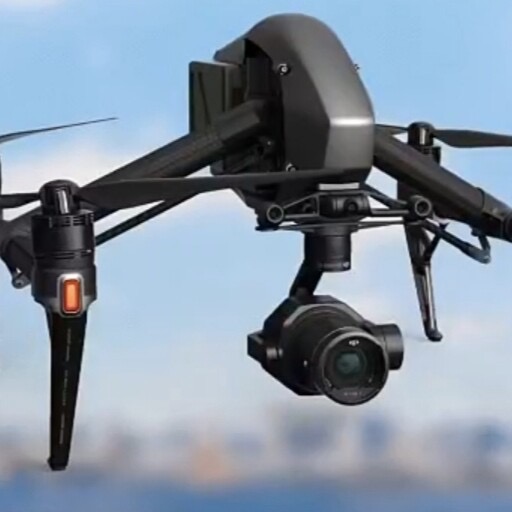
Emergency Rescue & Heavy-Lift Drones:
Sales and Training Business Plan**
Executive Summary
This document outlines a comprehensive business framework for establishing a specialized enterprise focused on emergency response drones and heavy-lift transport drones. The venture combines cutting-edge technology sales with certified professional training, targeting the rapidly growing market for aerial solutions in public safety, industrial operations, and disaster management sectors.
1. Market Opportunity Analysis
Global Market Trends
- Emergency Response Drone Market: Projected to reach $2.1 billion by 2028 (CAGR 18.3%)
- Heavy-Lift Drone Segment: Expected to grow at CAGR 22.7% through 2030
- Key Drivers: Increasing natural disasters, infrastructure development, regulatory support for BVLOS operations
Competitive Landscape
- Direct Competitors: DJI Enterprise Solutions, Parrot Professional, Intel® Falcon 8+
- Specialized Players: Skyfire Consulting, UAV Solutions, Measure
- Market Gap: Few providers offer integrated solutions combining equipment, certified training, and operational support
2. Product Portfolio Strategy
A. Emergency Response Drone Systems
Tier 1: Rapid Deployment Systems
- Product: DJI Matrice 30T + Rapid Deployment Kit
- Payload: Dual visible/thermal cameras, 40x zoom, laser rangefinder
- Price Point: $25,000-$35,000 per system
- Target: Municipal fire departments, first responders
Tier 2: Advanced Search & Rescue
- Product: Autel Dragonfish + ZenTech Payloads
- Features: 120-minute endurance, AI-powered person detection
- Price Point: $45,000-$65,000
- Target: State emergency management, specialized rescue teams
Tier 3: Command & Control Center
- Product: Tethered Systems + Mobile Command Center
- Features: 12-hour continuous operation, 4G/5G relay
- Price Point: $85,000-$150,000
- Target: Federal agencies, large metropolitan areas
B. Heavy-Lift Drone Solutions
Category 1: Light Transport (5-20kg)
- Applications: Medical supply delivery, emergency equipment transport
- Lead Product: DJI Matrice 350 RTK + Payload Release System
- Key Feature: Precision drop capability within 0.5m accuracy
Category 2: Medium Transport (20-100kg)
- Applications: Power line equipment, construction materials
- Lead Product: Volocopter VoloDrone or custom hexacopter
- Safety Features: Triple redundancy systems, automatic parachute recovery
Category 3: Heavy Transport (100kg+)
- Applications: Bridge inspection equipment, emergency generator delivery
- Lead Product: Sabrewing Rhaegal or similar heavy-lift platforms
- Certification: Seeking FAA Type Certification for commercial operations
3. Training & Certification Program
Core Curriculum Structure
Level 1: Foundation Certificate (2 weeks)
- Module 1: Regulatory Compliance & Airspace Management
- Module 2: Basic Flight Operations & Safety Protocols
- Module 3: Emergency Procedures & Risk Assessment
- Outcome: Part 107 Certification + Foundation Emergency Response Certificate
Level 2: Specialist Certificate (3 weeks)
- Track A: Emergency Response SpecialistNight operations with NVGThermal imaging interpretationSearch pattern methodologyIncident command system integration
- Track B: Heavy-Lift Operations SpecialistLoad dynamics & stabilityPrecision placement techniquesWorksite hazard assessmentMulti-crew coordination
Level 3: Master Operator (4 weeks)
- Advanced mission planning
- Complex environment operations
- Team leadership & training
- Certification: Industry-recognized Master Operator Certificate
Training Facilities Requirements
- Primary Training Center: 50-acre facility with varied terrain
- Specialized Areas:Confined space training simulatorWater rescue operations areaUrban disaster simulation zoneHeavy-lift precision training grid
- Mobile Training Units: 3 trailers equipped for on-site training
4. Revenue Model
Sales Revenue Streams
- Equipment Sales: 40-50% margin on hardware
- Software Subscriptions: $5,000-$15,000/year per agency
- Payload & Accessory Sales: Recurring revenue stream
Service Revenue Streams
- Training Programs:Foundation: $3,500/studentSpecialist: $7,500/studentMaster: $12,500/studentCustom on-site: $2,500/day + expenses
- Consulting Services:Agency drone program development: $15,000-$50,000SOP creation & validation: $10,000-$30,000Regulatory compliance: $5,000-$20,000
- Support Contracts:Bronze: $2,000/year (remote support)Silver: $8,000/year (preventive maintenance)Gold: $20,000/year (guaranteed 4-hour response)
Partnership Revenue
- Manufacturer Commissions: 10-20% on referred sales
- Insurance Referrals: 15% commission on policies
- Software Reselling: 20-30% margin
5. Marketing & Sales Strategy
Phase 1: Market Penetration (Months 1-12)
- Target: Local/regional emergency services
- Tactics:Free demonstration daysJoint training exercisesGrant application assistanceGoal: 15 agency contracts in first year
Phase 2: Regional Expansion (Year 2)
- Target: State agencies, industrial clients
- Tactics:Industry conference participationCase study developmentReferral program implementationGoal: Expand to 3 additional states
Phase 3: National Presence (Year 3)
- Target: Federal contracts, nationwide corporations
- Tactics:GSA Schedule acquisitionNational advertising campaignStrategic partnership developmentGoal: $5M+ in annual contracts
6. Operational Plan
Staffing Requirements (Year 1)
- Sales & Marketing: 2 positions
- Training Instructors: 4 certified instructors
- Technical Support: 2 engineers + 1 field support
- Administration: 2 positions
- Total: 11 employees initially
Facility Requirements
- Headquarters: 5,000 sq ft office/warehouse
- Training Center: Leased 50-acre facility
- Regional Offices: 2 satellite offices in Year 2
Technology Infrastructure
- CRM System: Salesforce or similar
- Training Management: Custom LMS platform
- Fleet Management: Drone tracking and maintenance software
- Simulation Software: VR training systems
7. Financial Projections
Startup Costs: $850,000
- Inventory: $350,000
- Facilities: $200,000
- Equipment: $150,000
- Marketing: $100,000
- Operating Capital: $50,000
Year 1 Projections
- Revenue: $1.2 million
- Cost of Goods: $600,000
- Gross Profit: $600,000
- Operating Expenses: $500,000
- Net Profit: $100,000
Year 3 Goals
- Revenue: $5 million+
- Net Profit Margin: 20%+
- Market Presence: 15+ states
- Certified Operators Trained: 500+
8. Risk Mitigation Strategy
Technical Risks
- Solution: Partnerships with multiple manufacturers
- Insurance: $5M liability coverage minimum
- Testing: Rigorous pre-deployment validation
Regulatory Risks
- Strategy: Active participation in rule-making committees
- Compliance: Dedicated regulatory specialist on staff
- Documentation: Comprehensive SOP library
Market Risks
- Diversification: Multiple revenue streams
- Relationships: Long-term contracts with key clients
- Innovation: Continuous R&D investment (5% of revenue)
9. Growth & Expansion Strategy
Vertical Integration
- Year 2: Develop proprietary training software
- Year 3: Establish repair & maintenance facility
- Year 4: Consider light manufacturing of specialized components
Geographic Expansion
- Year 2: West Coast operations
- Year 3: Southeastern United States
- Year 5: International partnerships
Service Line Expansion
- Year 2: Drone-in-a-box solutions
- Year 3: 24/7 emergency response service
- Year 4: Integration with existing emergency response systems
10. Social Impact & Corporate Responsibility
Community Engagement
- Pro Bono Services: 5% of capacity dedicated to community organizations
- Education Programs: Partnerships with technical schools and colleges
- Research Collaboration: Work with universities on emergency response technologies
Environmental Commitment
- Electric Fleet: 100% electric ground support vehicles by Year 3
- Battery Recycling: Partnership with recycling specialists
- Carbon Offset: Purchase offsets for all business travel
Conclusion
This business framework presents a scalable, high-value opportunity in a growing market segment. By combining premium equipment sales with industry-leading training, the venture can establish itself as the trusted partner for agencies and organizations requiring reliable aerial solutions for critical operations.
The integrated approach—providing not just hardware but complete operational capability—creates significant competitive advantages and multiple sustainable revenue streams. With proper execution, this business can achieve market leadership while making meaningful contributions to public safety and emergency response capabilities.
Next Steps Required:
- Secure initial funding of $850,000
- Establish manufacturer partnerships
- Develop training curriculum with certification bodies
- Identify and secure initial anchor clients
- Build demonstration team and capability
Would you like me to elaborate on any specific section or develop detailed operational plans for any component of this business framework?
应急救援与吊运无人机销售培训一体化商业计划书
执行摘要
本商业计划书旨在打造一家集应急救援无人机与重型吊运无人机销售、培训、服务于一体的专业化企业。通过整合高端设备销售、权威认证培训和全周期运营支持,填补当前市场在“交钥匙解决方案”方面的空白。项目将瞄准应急救援、基础设施建设和特种作业三大快速增长市场,实现技术赋能与商业价值的双赢。
1. 市场分析与机会
市场现状与趋势
- 政策驱动:应急管理部《“十四五”应急救援力量建设规划》明确加强航空应急救援能力建设。地方政府预算逐年增加。
- 需求增长:防灾减灾需求刚性上升,城市消防、森林草原防火、地质灾害救援、水域救援等领域需求爆发。
- 技术成熟:国产高性能工业无人机产业链成熟,成本持续下降,可靠性显著提升。
- 市场痛点:客户缺乏专业选型能力操作人员技能不足,设备利用率低缺乏持续的维护、升级和任务支持
市场规模预测
- 应急无人机市场:预计2025年中国市场规模超50亿元,年复合增长率超25%。
- 重型吊运无人机市场:在电力、通信、建筑领域快速渗透,潜力巨大。
- 培训服务市场:随设备保有量激增,专业培训需求呈指数级增长。
竞争格局
- 设备制造商:大疆、纵横、科比特、驼航等,以产品销售为主。
- 传统集成商:提供基础解决方案,但培训和服务深度不足。
- 培训机构:多为通航或无人机驾照培训机构,缺乏应急救援和吊运作业的专项、高阶课程。
- 我们的定位:解决方案赋能者——连接顶尖硬件、专业培训和持续服务。
2. 核心业务体系
A. 产品体系:三层级解决方案
层级一:标准任务系统包
- 侦察指挥型:大疆Matrice 30/350系列 + H20T负载 + 指挥平板,售价 25-35万。
- 快速投送型:定制六旋翼平台 + 智能空投模块,载重5-10kg,售价 15-25万。
- 目标客户:县级消防救援大队、民间救援队、中型企业安保部门。
层级二:专业增强系统包
- 系留应急系统:锋行等系留无人机 + 混合供电方舱,实现12小时以上滞空照明/通信,售价 60-100万。
- 重型吊运系统:驼航等大载重无人机(50-100kg)+ 智能吊挂与稳定系统,售价 40-80万。
- 目标客户:市级应急管理局、大型电力公司、铁路工程局。
层级三:定制化综合解决方案
- 移动方舱指挥中心:集成多型无人机、地面站、通信中继、发电设备于一体的特种车辆。
- 行业深度定制:例如针对海上风电的专用巡检吊运一体化平台。
- 目标客户:省级应急单位、大型央企、特种作业服务公司。
B. 培训体系:四阶认证课程
第一阶:CAAC无人机驾驶执照培训
- 服务:超视距驾驶员(机长)执照培训与考试服务。
- 特色:课程中融合应急救援基础理论,为后续专项培训打下基础。
第二阶:应急救援无人机专项操作员认证
- 模块A:灾情侦察与评估:复杂环境飞行、热成像判读、三维建模、灾情快报生成。
- 模块B:搜索与救援:多种搜索模式、目标识别与标记、与地面队伍协同演练。
- 模块C:应急通信与投送:通信中继组网、精准空投(水面/陆地)、夜间作业。
- 考核:理论+模拟器+实战演练,颁发公司与合作协会联合认证证书。
第三阶:重型吊运作业专家认证
- 模块A:吊运理论与安全:载荷动力学、安全边际计算、风险评估(RA)。
- 模块B:精准操作技术:室内外精准吊放、动态负载控制、复杂地形作业。
- 模块C:系统维护与排故:动力系统、飞控、吊挂系统深度维护。
- 特色:引入VR模拟器进行高风险场景无风险训练。
第四阶:教官与指挥官认证
- 面向客户单位培养内部教官和任务指挥员。
- 内容:课程设计、教学法、任务规划与指挥、多机协同调度。
C. 服务体系:全生命周期支持
- 售前咨询与方案设计
- 交付与部署调试
- 售后维保与延保(金/银/铜三级服务包)
- 软件升级与数据服务
- 重大任务现场保障
- 设备租赁与以旧换新
3. 营销与销售策略
市场进入路径
- 第一阶段(1-12个月):标杆打造与本地深耕策略:在1-2个省内,选择3-5个标杆客户(如市级消防支队、大型国企),提供极具竞争力的打包方案(设备+深度培训),打造成功案例。活动:举办“应急救援无人机开放日”,邀请潜在客户观摩实战演练。
- 第二阶段(13-24个月):区域复制与渠道建设策略:将成功模式复制到3-5个新省份。发展区域代理商和合作伙伴,重点拓展至能源、交通行业。活动:参加中国国际消防设备展、无人系统大会等行业顶级展会。
- 第三阶段(25-36个月):品牌树立与全国布局策略:申请成为国家级应急产业联盟成员。争取入围多个省级政府的应急物资采购目录。建立全国性的服务响应网络。目标:成为行业知名的“一站式解决方案”品牌。
核心营销手段
- 内容营销:制作高质量短视频,展示无人机在真实/模拟救援、吊运场景中的应用,发布在抖音、视频号、B站。
- 行业峰会演讲:主动在应急、消防、电力等行业会议上进行技术演讲,树立专家形象。
- 联合演练:与消防、救援队定期举行联合演练,既是培训,也是最佳的宣传。
- 白皮书与案例集:发布行业应用白皮书,编制详细客户案例集,用于定向推送。
4. 运营与实施计划
团队建设(第一年)
- 核心管理:2人(总经理、运营总监)
- 销售与市场:3人
- 技术教官团队:4人(均需具备应急或航空背景)
- 技术支持与后勤:3人
- 总计:约12人启动团队。
设施与基地
- 总部/展示中心:含办公室、设备展厅、室内理论教室及模拟器训练区。
- 室外实训基地:租赁或合作共建,需包含:模拟灾害现场(坍塌、水域)高空作业训练区复杂电磁环境训练区夜间训练条件
合作伙伴网络
- 上游:与2-3家主流水滴机制造商达成省级或行业代理合作。
- 横向:与载荷(光电、抛投、通讯)、保险、软件(任务规划、建模)公司建立战略合作。
- 认证:与中国消防协会、中国航空运输协会通用航空分会等机构合作,共同开发及认证培训课程,极大提升证书含金量。
5. 财务预测与融资需求
启动资金需求:约600万元人民币
- 初始库存采购:250万元
- 实训设备与基地建设:150万元
- 团队建设与初期运营:120万元
- 市场推广与品牌建设:80万元
三年财务预测摘要
| 项目 | 第一年 | 第二年 | 第三年 |
|---|---|---|---|
| 营业收入 | 800万元 | 2000万元 | 4000万元 |
| - 设备销售 | 500万元 | 1200万元 | 2200万元 |
| - 培训服务 | 200万元 | 500万元 | 1200万元 |
| - 服务与其他 | 100万元 | 300万元 | 600万元 |
| 毛利率 | 35% | 40% | 42% |
| 净利润 | 50万元 | 300万元 | 800万元 |
融资计划
- 计划引入天使轮或Pre-A轮融资 500-800万元,释放10-15%股权。
- 资金主要用于:扩大库存品类、建设高标准实训基地、加大市场推广力度、引进高端人才。
6. 风险评估与应对
| 风险类别 | 具体风险 | 应对策略 |
|---|---|---|
| 政策与法规 | 空域管理收紧,BVLOS审批困难 | 积极参与法规研讨;为客户提供专业的空域申报服务;重点推广在预先批准空域内的解决方案。 |
| 市场与竞争 | 价格战;大厂商向下游整合 | 强化服务与培训的不可替代性;建立客户黏性;深耕细分领域,做深做透。 |
| 技术与安全 | 设备故障导致任务失败或安全事故 | 严格筛选可靠设备;建立完善的检查和维护流程;为所有任务购买高额保险;实施严格的安全操作培训。 |
| 运营 | 核心教官流失;重大任务保障出问题 | 建立有竞争力的薪酬和晋升体系;培养内部讲师梯队;制定标准的重大任务保障SOP和应急预案。 |
7. 总结与愿景
本项目并非简单的无人机贸易,而是通过 “顶尖设备 + 权威认证 + 持续赋能” 的模式,为中国应急能力现代化和工业作业智能化提供关键支持。我们旨在成为客户值得信赖的“空中力量顾问”,不仅交付设备,更交付随时可用的空中作业能力。
短期目标是成为区域市场的领导者,长期愿景是打造中国应急救援与特种吊运无人机领域最具影响力的培训和服务品牌,并逐步向数据服务、智能调度系统等更高价值链环节延伸。
下一步行动建议:
- 完成详细商业计划书与融资材料准备。
- 启动与核心无人机厂商、行业协会的深度洽谈。
- 选址并启动首个综合实训基地的建设。
- 招募首批核心团队,特别是具备应急背景的教官。
希望这份详尽的中文版商业计划书能为您提供清晰的路线图。如需对任何部分进行深入探讨或数据细化,我随时可以协助。