The Esports Industry: A Comprehensive Overview
Industry Definition & Scope
Esports (electronic sports) refers to organized, competitive video gaming where players and teams compete professionally in various game titles. It encompasses professional tournaments, leagues, franchises, broadcasting, content creation, and associated business ecosystems.
Market Size & Growth
- Global Market Value: $1.8+ billion (2023), projected to reach $4.7+ billion by 2030
- Annual Growth Rate: 15-20% CAGR
- Audience Reach: 540+ million viewers globally (including occasional viewers)
- Regional Leaders: Asia-Pacific (45% market share), North America (30%), Europe (20%)
Key Industry Segments
1. Competitive Gaming Ecosystem
- Tournaments & Leagues: International events (The International, League of Legends World Championship, Overwatch League)
- Prize Pools: Major tournaments offering $10-40+ million total prizes
- Professional Teams: Franchise-based and independently owned organizations
2. Content & Media
- Streaming Platforms: Twitch (70% market share), YouTube Gaming, Facebook Gaming
- Broadcast Rights: Media deals worth $100+ million annually
- Original Content: Documentary series, reality shows, and educational programming
3. Supporting Infrastructure
- Hardware: Specialized gaming peripherals ($15+ billion market)
- Software & Platforms: Tournament organization tools, analytics, training software
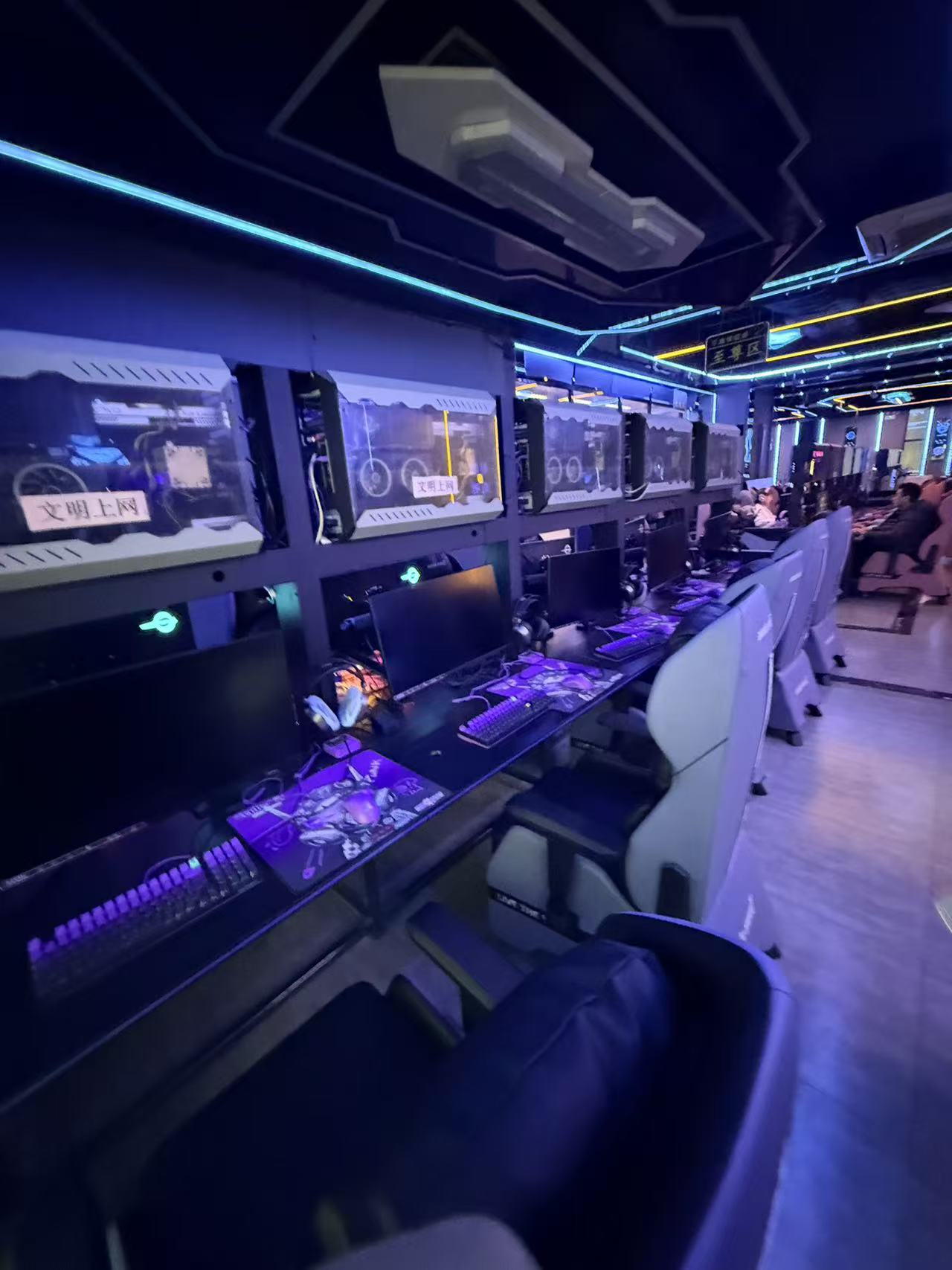
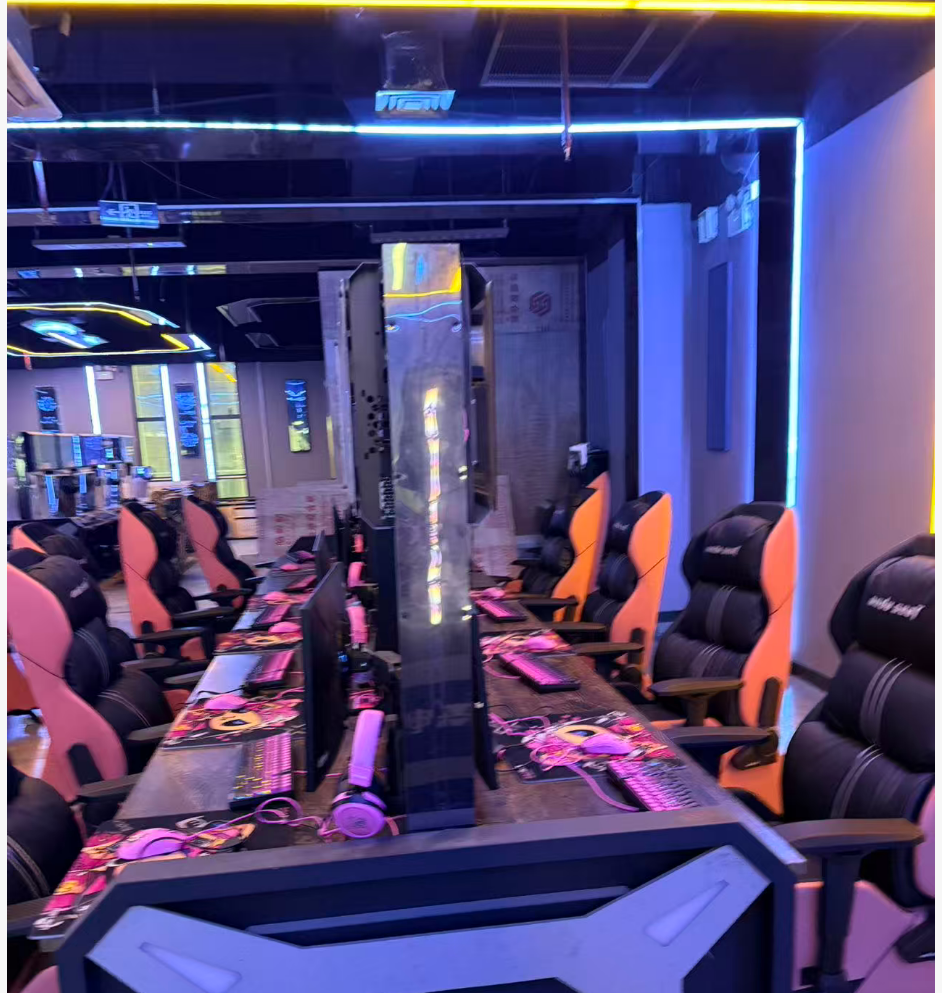
- Venues: Dedicated esports arenas (30+ globally) and stadium adaptations
Revenue Streams
Primary Sources:
- Sponsorships & Advertising (40% of revenue)Technology brands (Intel, NVIDIA, Logitech)Non-endemic brands (Coca-Cola, Mercedes-Benz, State Farm)Apparel and lifestyle partnerships
- Media Rights & Broadcasting (25% of revenue)Exclusive streaming dealsTraditional television broadcastingPay-per-view events
- Merchandise & Ticketing (15% of revenue)Team jerseys and apparelEvent tickets and VIP experiencesCollectibles and limited editions
- Game Publisher Fees (10% of revenue)Franchise slots (Overwatch League: $20-35 million per team)Tournament licensingRevenue sharing agreements
- Betting & Fantasy (10% of revenue)Licensed betting platformsFantasy esports leaguesPrediction markets
Industry Structure
Key Stakeholders:
- Game Publishers: Riot Games, Valve, Activision Blizzard, Epic Games
- Tournament Organizers: ESL, DreamHack, PGL, BLAST
- Professional Teams: Team Liquid, Fnatic, Cloud9, T1
- Broadcasters: Twitch, YouTube, specialized esports networks
- Sponsors: Both endemic and non-endemic brands
- Investors: Venture capital, traditional sports team owners, celebrities
Technological Drivers
Innovation Areas:
- Broadcast Technology: AR/VR integration, multi-view streaming, interactive overlays
- Performance Analytics: AI-driven player tracking, biometric monitoring, strategy optimization
- Infrastructure: 5G connectivity, cloud gaming platforms, low-latency networks
- Fan Engagement: Interactive viewing experiences, digital collectibles (NFTs), metaverse integration
Regional Landscape
North America:
- Most commercialized market with franchise-based leagues
- Strong university and collegiate programs
- Major media partnerships with traditional broadcasters
Europe:
- Strong grassroots tournament scene
- Multiple professional leagues across countries
- Government recognition in several nations
Asia-Pacific:
- Dominant in player base and viewership
- South Korea as traditional esports powerhouse
- China as fastest-growing market with government support
Emerging Markets:
- Latin America (Brazil as regional leader)
- Middle East (Saudi Arabia investing heavily)
- Southeast Asia (Mobile esports dominance)
Career & Education Ecosystem
Professional Pathways:
- Players & Coaches: Structured career paths with training facilities
- Content Creators: Streamers, analysts, commentators
- Technical Roles: Broadcast production, software development, data analysis
- Business Operations: Marketing, event management, partnership development
Educational Initiatives:
- 100+ universities offering esports scholarships (US)
- Dedicated esports degrees and certifications
- Professional training facilities and academies
Social & Cultural Impact
Recognition:
- Official medal event in 2022 Asian Games
- Consideration for future Olympic inclusion
- Government recognition in multiple countries
Inclusivity Efforts:
- Women's leagues and tournaments
- Accessibility initiatives for players with disabilities
- Grassroots programs in underrepresented communities
Challenges & Future Trends
Current Challenges:
- Sustainability: Team profitability, player burnout, career longevity
- Governance: Standardized regulations, doping controls, age restrictions
- Diversity: Gender representation, geographic inclusivity
Future Developments:
- Mobile Esports Expansion: Especially in emerging markets
- Blockchain Integration: Tokenized assets, fan engagement models
- Metaverse Convergence: Virtual tournaments and hybrid experiences
- AI Training Partners: Advanced simulation and strategy development
- Health & Wellness Focus: Mental health support, ergonomic innovations
Investment Landscape
- Venture Capital: $5+ billion invested since 2018
- Traditional Sports: 50+ traditional sports teams owning esports franchises
- Corporate Investment: Media companies, technology firms, consumer brands
- Public Markets: Several esports organizations going public via SPACs
Economic Impact
- Direct Employment: 200,000+ professionals globally
- Indirect Support: Additional jobs in events, media, and hospitality
- Tourism & Host Cities: Major events generating $50-100+ million local economic impact
- Technology Spillover: Innovations benefiting broader gaming and tech sectors
The esports industry represents one of the fastest-growing sectors in entertainment, successfully merging competitive gaming, media production, and technology innovation. With its young, global, and digitally-native audience, esports continues to evolve from niche subculture to mainstream phenomenon, creating new business models, career opportunities, and cultural touchpoints while facing the growing pains typical of rapidly expanding industries.