Cabinet-type Multi-Parameter Environmental Water Quality Monitoring Equipment柜式多参数环保水质监测设备
I. Equipment Overview
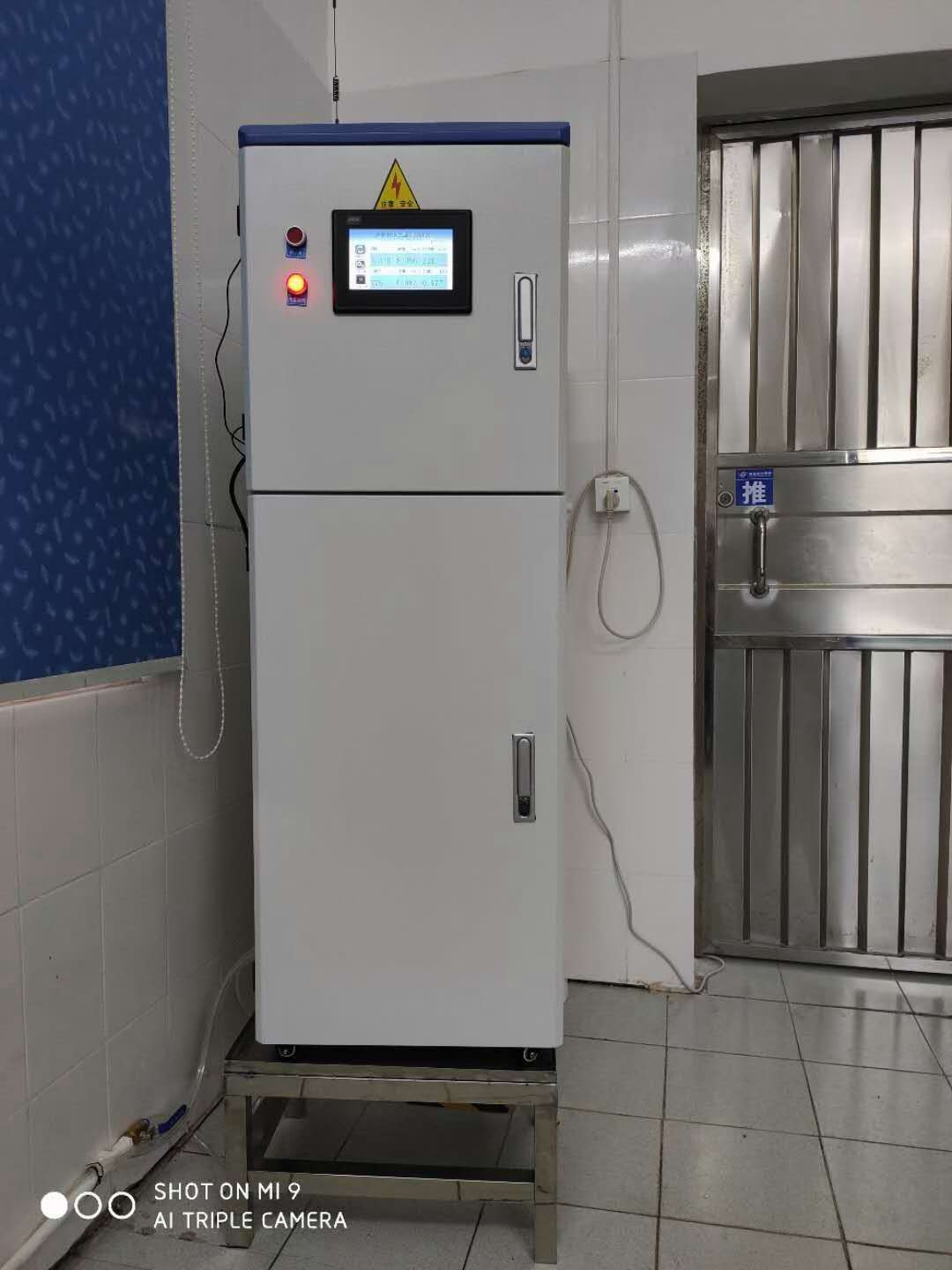
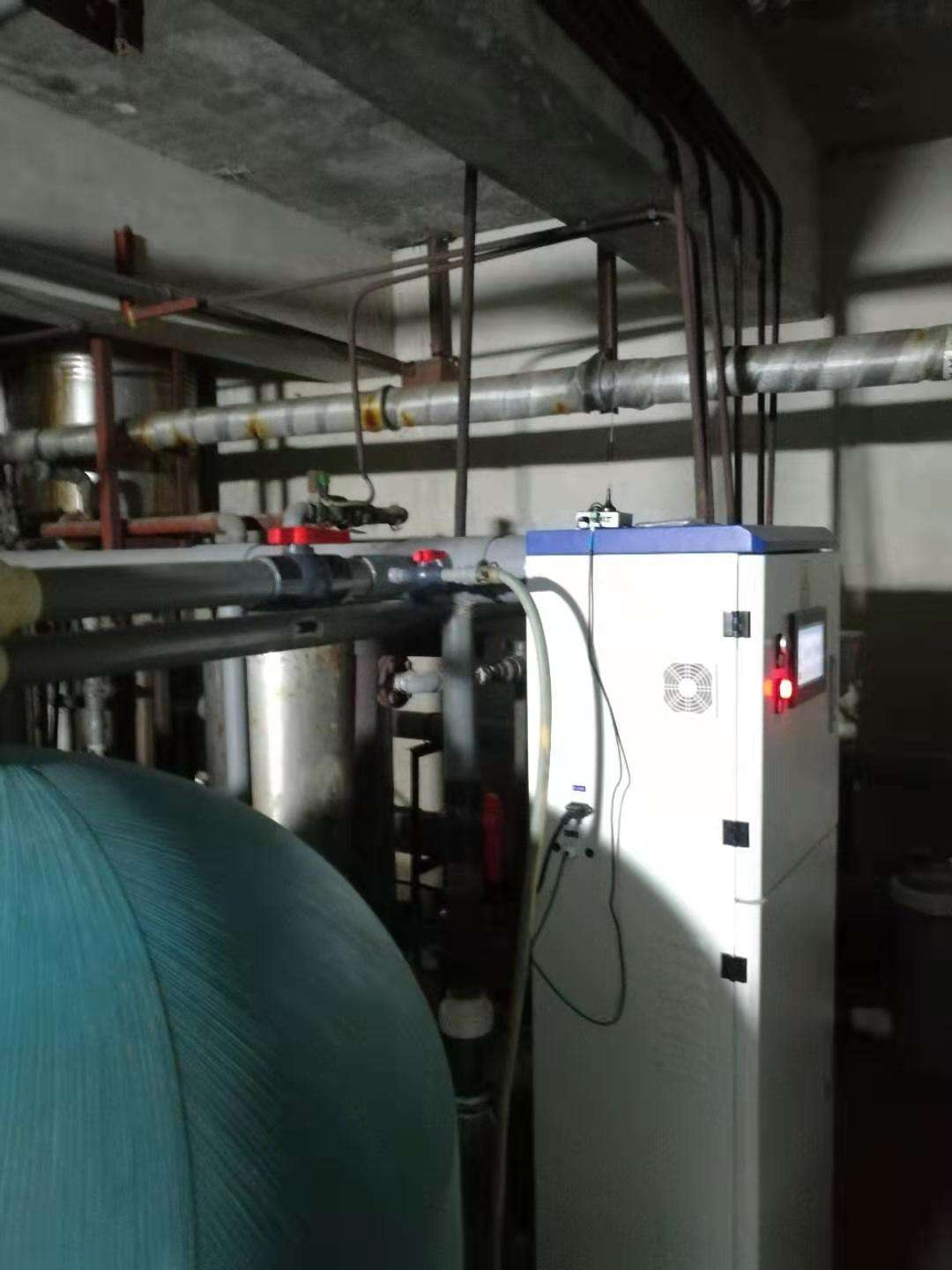
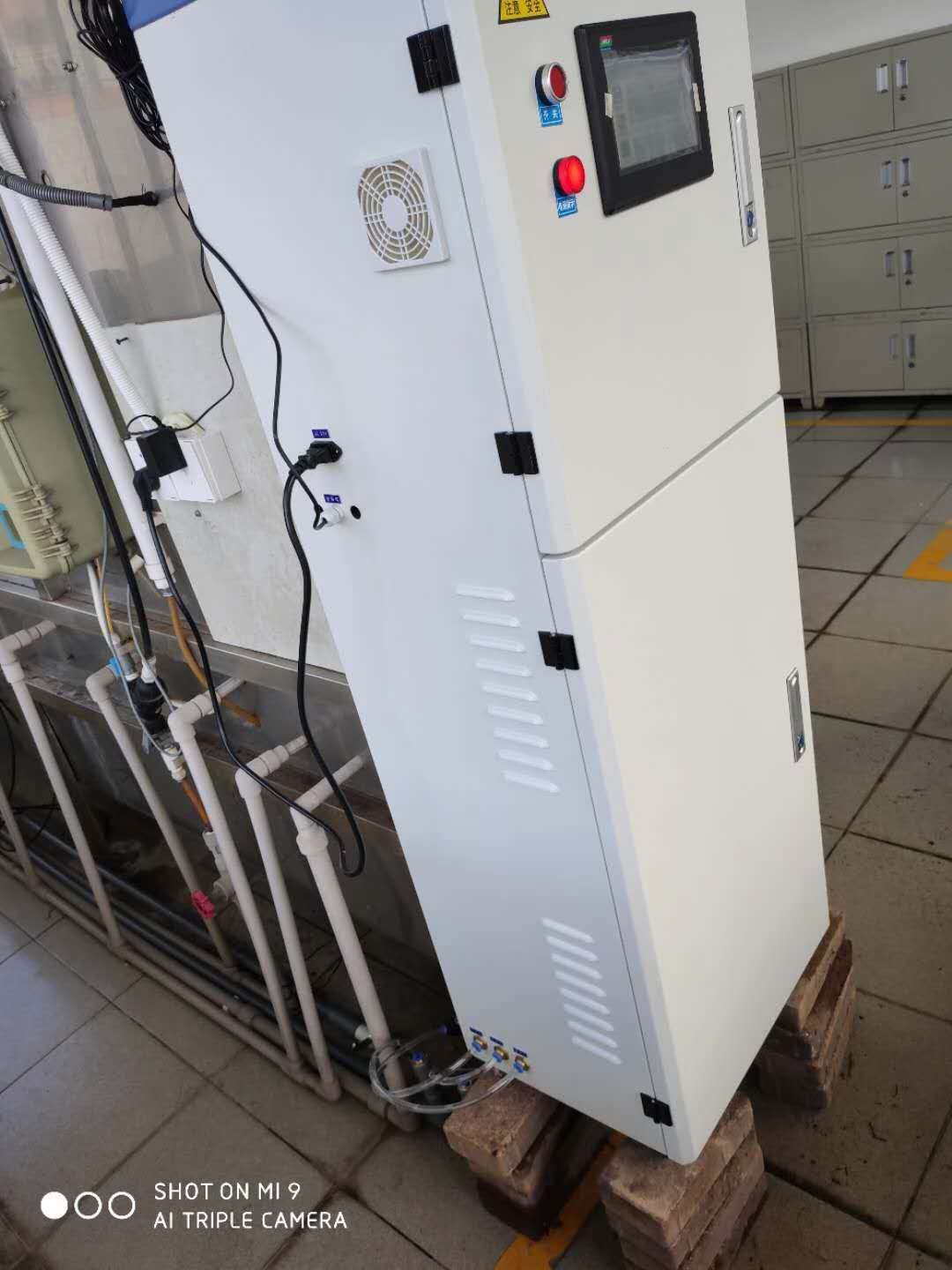
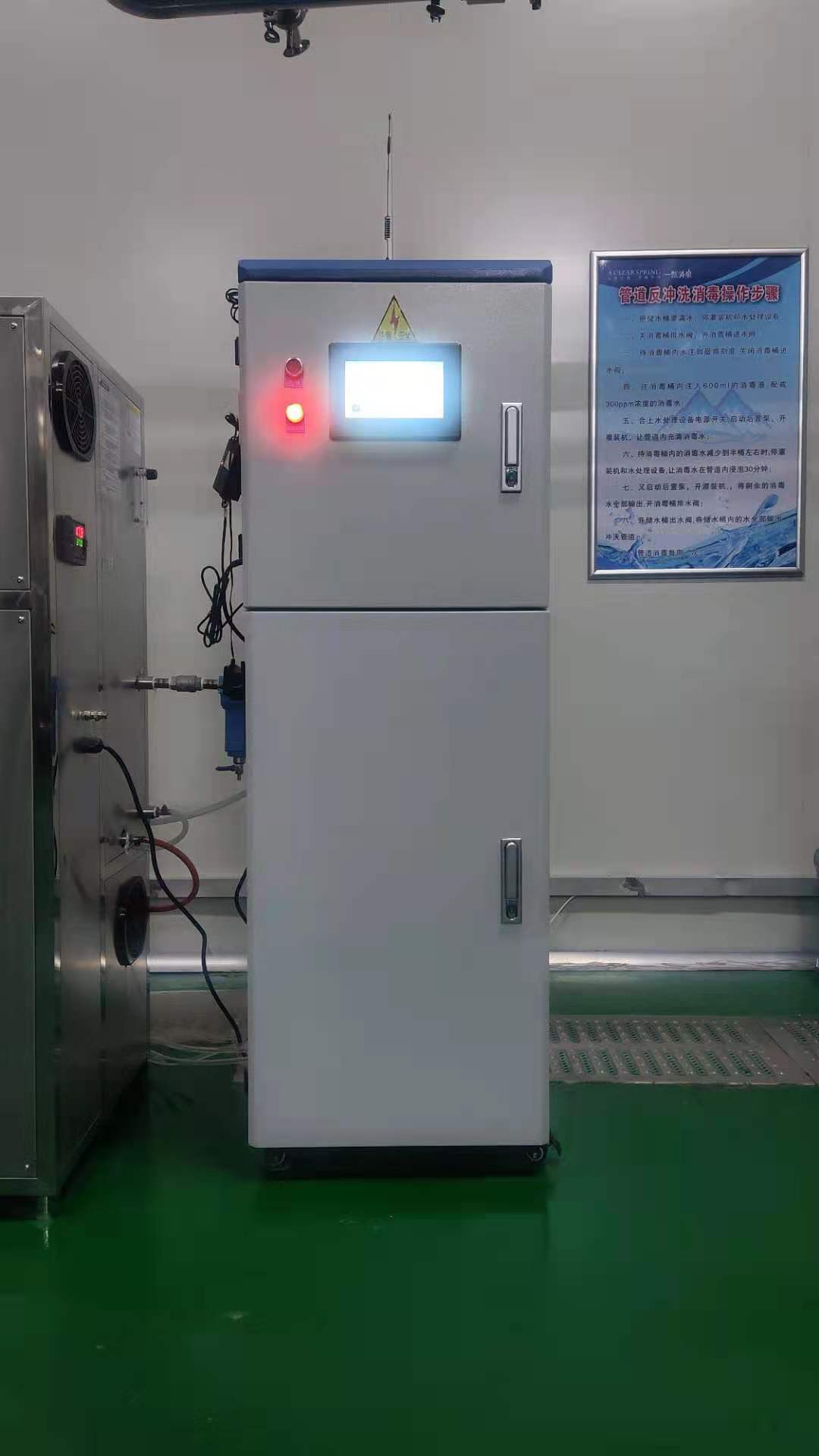
The cabinet-style multi-parameter water quality monitoring equipment is a highly integrated, modularized, and intelligent online continuous automatic monitoring system. It integrates water sampling, pretreatment, multi-parameter analysis, data acquisition/transmission, and auxiliary units within a standard cabinet. It enables unattended real-time monitoring and early warning of key water quality indicators, serving as a core component in building modern environmental monitoring networks.
II. Detailed Core Features
1. Integrated Cabinet Design & Structure
Utilizes a 19-inch standard industrial cabinet or a customized protective enclosure, integrating subsystems such as analytical modules, control units, power supply/distribution, reagent storage, and waste liquid collection.
- Advantages:Environmental Adaptability: Features IP54 or higher protection rating, resistant to wind, dust, moisture, and electromagnetic interference. Suitable for various harsh environments like outdoor sites, station houses, and factory boundaries.Simplified Engineering: Pre-installed and debugged before shipment. On-site installation only requires connection to water, power, and network, significantly reducing construction time.Ease of Maintenance: Front-door or double-door design allows front-access maintenance for all modules. Reagent replacement, pipeline cleaning, and calibration operations are centralized and easily accessible.Safety & Tidiness: Unified management of reagents and hazardous waste liquids. Neat cabling and piping comply with safety and 5S management standards.
2. Flexible Multi-Parameter Monitoring Configuration
The equipment employs a modular design, allowing flexible selection and combination of monitoring modules to create customized solutions based on monitoring requirements. Common monitoring parameter systems are as follows:
| Parameter Category | Typical Indicators | Common Measurement Principles | Primary Application Scenarios |
|---|---|---|---|
| Conventional Five Parameters | pH, Dissolved Oxygen (DO), Turbidity, Conductivity, Temperature | Electrode Method / Sensor Method | Basic assessment and process control for all water bodies |
| Comprehensive Pollution Indicators | Chemical Oxygen Demand (COD), Permanganate Index (CODMn), Total Organic Carbon (TOC), UV254 | Spectrophotometry, High-Temperature Catalytic Oxidation, Wet Chemistry | Organic pollution load assessment, drinking water early warning |
| Nutrient Indicators | Ammonia Nitrogen, Total Phosphorus (TP), Total Nitrogen (TN), Nitrate, Nitrite, Phosphate | Wet Chemical Photometry, Ion-Selective Electrode | Water eutrophication monitoring, wastewater treatment process control |
| Specific Pollutants | Fluoride, Chloride, Cyanide, Volatile Phenol, Sulfide, etc. | Ion Chromatography, Flow Injection Analysis, Wet Chemistry | Industrial wastewater discharge monitoring, specific pollution source tracing |
| Heavy Metal Indicators | Copper, Lead, Zinc, Cadmium, Hexavalent Chromium, Total Chromium, Total Manganese, etc. | Anodic Stripping Voltammetry, Photometry, ICP-MS (typically external) | Key monitoring for heavy metal pollution |
| Biological & Physical Indicators | Chlorophyll-a, Blue-Green Algae, Algal Density, Color, Flow Rate | Fluorometry, Photometry, Ultrasonic Doppler, etc. | Algal bloom warning, ecological research, total load accounting |
Comprehensive Environmental Monitoring Applications
- Surface Water Automatic Stations: Used for national and provincial control sections, enabling real-time water quality assessment and trend warnings.
- Pollution Source Discharge Monitoring: Installed at enterprise total discharge outlets to monitor compliance and support environmental tax calculation and enforcement.
- Municipal Water Supply & Drainage Networks:Water Treatment Plants: Monitor source water, process water, and finished water.Wastewater Treatment Plants (WWTP): Monitor influent, effluent, and key process stages to optimize operation and save energy.Municipal Pipe Networks: Monitor pipeline water quality, warning of secondary contamination.
- Drinking Water Source Areas: Enable 24/7 continuous monitoring and early warning for water safety.
- Ecological Compensation & Research: Provide continuous data support for cross-boundary section assessment and aquatic ecological research.
III. System Composition & Workflow
1. Sampling & Pretreatment Unit
An intelligent sampling pump draws water samples from the monitoring point. Samples undergo multi-stage pretreatment (e.g., sedimentation, self-cleaning filtration), homogenization, digestion (if required), etc., to remove particulate interference and ensure representative samples for analyzers.
2. Analysis & Detection Unit
Core monitoring modules obtain pretreated samples according to a preset sequence and perform measurements. The control system precisely manages reagent addition, reaction time, temperature, and the measurement process.
3. Control & Data Unit
- Core Controller: Uses an industrial PLC or embedded industrial computer to execute the automated system operation logic.
- Data Acquisition/Logger: Collects raw data from analyzers, performs validity checks, unit conversions, statistical calculations, and generates valid monitoring values.
- Storage & Communication: Stores historical data locally and transmits real-time data and device status to various regulatory platforms (e.g., environmental department data platforms) via 4G/5G, fiber optic, satellite, etc.
4. Reagent & Waste Liquid Unit
Centrally stores reagents required by analysis modules and hermetically collects all waste liquid generated during analysis for centralized disposal, complying with laboratory waste management standards.
5. Comprehensive Auxiliary Unit
- Power Supply: Equipped with a UPS to ensure system operation and data security during short-term power outages.
- Temperature Control: Built-in air conditioner or heater maintains suitable internal temperature (e.g., 20-25°C), ensuring instrument stability and reagent effectiveness.
- Security: Optional accessories include door access control, video surveillance, smoke/water leak sensors for physical security.
- Remote Management: Supports remote parameter setting, status diagnosis, software upgrades, and system restart.
IV. Technical Selection & Key Considerations
When selecting equipment, a comprehensive evaluation should be based on the following dimensions:
1. Compliance & Accuracy
- Method Compliance: Monitoring methods must comply with or be equivalent to Chinese National Standards or industry standards.
- Data Quality: Focus on key performance indicators like detection limit, precision, and accuracy. The system should possess quality control functions such as automatic standard sample verification and spike recovery.
2. Reliability & Maintenance-Friendliness
- Core Components: Critical parts like pumps, valves, and light sources should use long-life, high-reliability brand products.
- Maintenance Cycle: Understand reagent consumption and replacement cycles to estimate long-term operational costs.
- Self-Maintenance Functions: Features automatic cleaning, anti-clogging design, fault self-diagnosis, and alarm functions.
3. Intelligence & Scalability
- Intelligent Diagnostics: Capable of warning about key component lifespan, reagent levels, and abnormal data.
- Modular Expansion: Reserved space and interfaces for easy future addition of monitoring parameters or functional modules.
- Platform Compatibility: Data protocols should enable seamless integration with provincial, municipal, and national environmental data platforms.
4. Supplier Comprehensive Capability
- Project Experience: Successful cases in similar application scenarios.
- Local Service: Technical support with quick response and a spare parts supply network.
- Total Cost of Ownership: Comprehensive evaluation of equipment purchase, installation, 3-5 year reagent/consumable costs, routine maintenance, and potential repair costs.
V. Summary
Cabinet-style multi-parameter water quality monitoring equipment forms the physical foundation and data source for "Smart Environmental Protection" and "Digital Water." Its value lies not only in replacing manual labor and enabling continuous monitoring but, more importantly, in using high-quality, timely data to drive environmental management's transition from passive response to proactive prediction and precise control.
To formulate the optimal technical solution, please provide the following information:
- Monitoring Objective: Specific water body type (e.g., river section, WWTP influent, enterprise discharge outlet) and core regulatory purpose.
- Parameter Requirements: List of mandatory monitoring indicators and corresponding standard limit requirements.
- Site Conditions: Power supply, network availability, installation space, climatic environment, etc.
- Budget Range: Range for equipment investment and acceptable annual operational/maintenance costs.
一、 设备概述
柜式多参数环保水质监测设备是一种高度集成化、模块化、智能化的在线连续自动监测系统。它将水质采样、预处理、多参数分析、数据采集传输及辅助单元集成于标准机柜内,实现对水质关键指标的无人值守实时监控与预警,是构建现代化环境监测网络的核心装备。
二、 核心特点详解
- 一体化柜式设计结构:采用19英寸标准工业机柜或定制防护机柜,集成分析模块、控制单元、供配电、试剂存储、废液收集等子系统。优势:环境适应性:具备IP54或更高防护等级,防风、防尘、防潮、防电磁干扰,适用于户外、站房、厂界等多种复杂环境。工程简便:出厂前完成预安装与调试,现场只需接通水电、网络,极大缩短建设周期。维护便捷:前开门或双开门设计,所有模块正面维护,试剂更换、管路清洗、校准操作集中可及。安全整洁:统一管理试剂与危险废液,线缆管路规整,符合安全与5S管理要求。
- 灵活的多参数监测组合设备采用模块化设计,可根据监测需求灵活选配、组合监测模块,形成定制化解决方案。常见监测参数体系如下:
| 参数类别 | 典型指标 | 常用测量原理 | 主要应用场景 |
|---|---|---|---|
| 常规五参数 | pH、溶解氧、浊度、电导率、温度 | 电极法/传感器法 | 所有水体的基础评价与过程控制 |
| 综合污染指标 | 化学需氧量、高锰酸盐指数、总有机碳、UV254 | 光谱法、高温催化氧化法、湿化学法 | 有机污染负荷评估,饮用水预警 |
| 营养盐指标 | 氨氮、总磷、总氮、硝酸盐、亚硝酸盐、磷酸盐 | 湿化学光度法、离子选择电极法 | 水体富营养化监测,污水处理工艺控制 |
| 特征污染物 | 氟化物、氯化物、氰化物、挥发酚、硫化物等 | 离子色谱法、流动注射分析法、湿化学法 | 工业废水排放监控,特征污染溯源 |
| 重金属指标 | 铜、铅、锌、镉、六价铬、总铬、总锰等 | 阳极溶出伏安法、光度法、ICP-MS法(通常外接) | 重金属污染重点监控 |
| 生物及物理指标 | 叶绿素a、蓝绿藻、藻密度、色度、流量 | 荧光法、光度法、超声多普勒等 | 藻华预警,生态研究,总量核算 |
- 全面的环保监测应用地表水水质自动站:用于国控、省控断面,实现水质实时评价与趋势预警。污染源排放监控:安装于企业总排口,监控达标排放,支撑环保税计量与执法。市政供排水网络:自来水厂:监测原水、过程水、出厂水。污水处理厂:监测进、出水及关键工艺段,优化运行,节约能耗。市政管网:监测管网水质,预警二次污染。饮用水水源地:实现水质安全24小时连续监控与早期预警。生态补偿与科研:为跨界断面考核、水生态研究提供连续数据支撑。
三、 系统构成与工作流程
- 采样与预处理单元:智能采样泵从监测点抽取水样,经多级过滤(如沉砂、自清洗过滤)、均化、消解(如需)等预处理,去除颗粒物干扰,保障分析仪进样代表性。
- 分析检测单元:核心监测模块按预定时序从预处理单元获取样品,并执行测量。控制系统精确控制试剂添加、反应时间、温度及测量过程。
- 控制与数据单元:核心控制器:采用工业PLC或嵌入式工控机,执行全系统自动化运行逻辑。数据采集器:采集各分析仪原始数据,进行有效性检查、单位换算、统计计算,生成有效监测值。存储与通讯:本地存储历史数据,并通过4G/5G、光纤、卫星等通讯方式,将数据及设备状态实时上传至各级监管平台(如环保部门数据平台)。
- 试剂与废液单元:集中存放各分析模块所需试剂,并密闭收集所有分析过程产生的废液,便于集中处置,符合实验室废液管理规范。
- 综合辅助单元:电源:配置UPS,保障市电短时中断时系统正常运行与数据安全。温控:内置空调或加热器,维持柜内适宜温度(如20-25°C),保证仪器稳定性与试剂有效性。安全:可选配门禁、视频监控、烟雾/水浸传感器,保障设备物理安全。远程管理:支持远程参数设置、状态诊断、软件升级与重启。
四、 技术选型与考量要点
在选择设备时,应基于以下维度进行综合评估:
- 合规性与准确性:方法合规:监测方法需符合或等效于中国国家标准或行业标准。数据质量:关注检出限、精密度、准确度等关键性能指标,并具备自动标样核查、加标回收等质控功能。
- 可靠性与运维友好性:核心部件:关键部件如泵、阀、光源等应采用长寿命、高可靠性品牌产品。维护周期:了解试剂消耗量与更换周期,预估长期运行成本。自维护功能:具备自动清洗、防堵塞设计、故障自诊断与报警功能。
- 智能化与扩展性:智能诊断:能够预警关键部件寿命、试剂余量、异常数据。模块化扩展:预留空间与接口,便于未来增加监测参数或功能模块。平台兼容:数据协议应能无缝对接省、市、国家各级环保数据平台。
- 供应商综合能力:项目经验:在类似场景的成功案例。本地服务:快速响应的技术支持和备件供应网络。全生命周期成本:综合评估设备购置、安装、3-5年试剂耗材、日常维护及潜在维修成本。
五、 总结
柜式多参数水质监测设备是“智慧环保”和“数字水务”的物理基础与数据源头。其价值不仅在于替代人工、实现连续监测,更在于通过高质量、高时效的数据,驱动环境管理从被动响应向主动预测、精准管控转变。
为制定最优技术方案,请提供以下信息:
- 监测目标:具体水体类型(如河流断面、污水厂进口、企业排口等)及核心监管目的。
- 参数需求:必须监测的指标清单及相应的标准限值要求。
- 现场条件:供电、网络、安装空间、气候环境等。
- 预算范围:设备投资及可接受的年度运维成本区间。