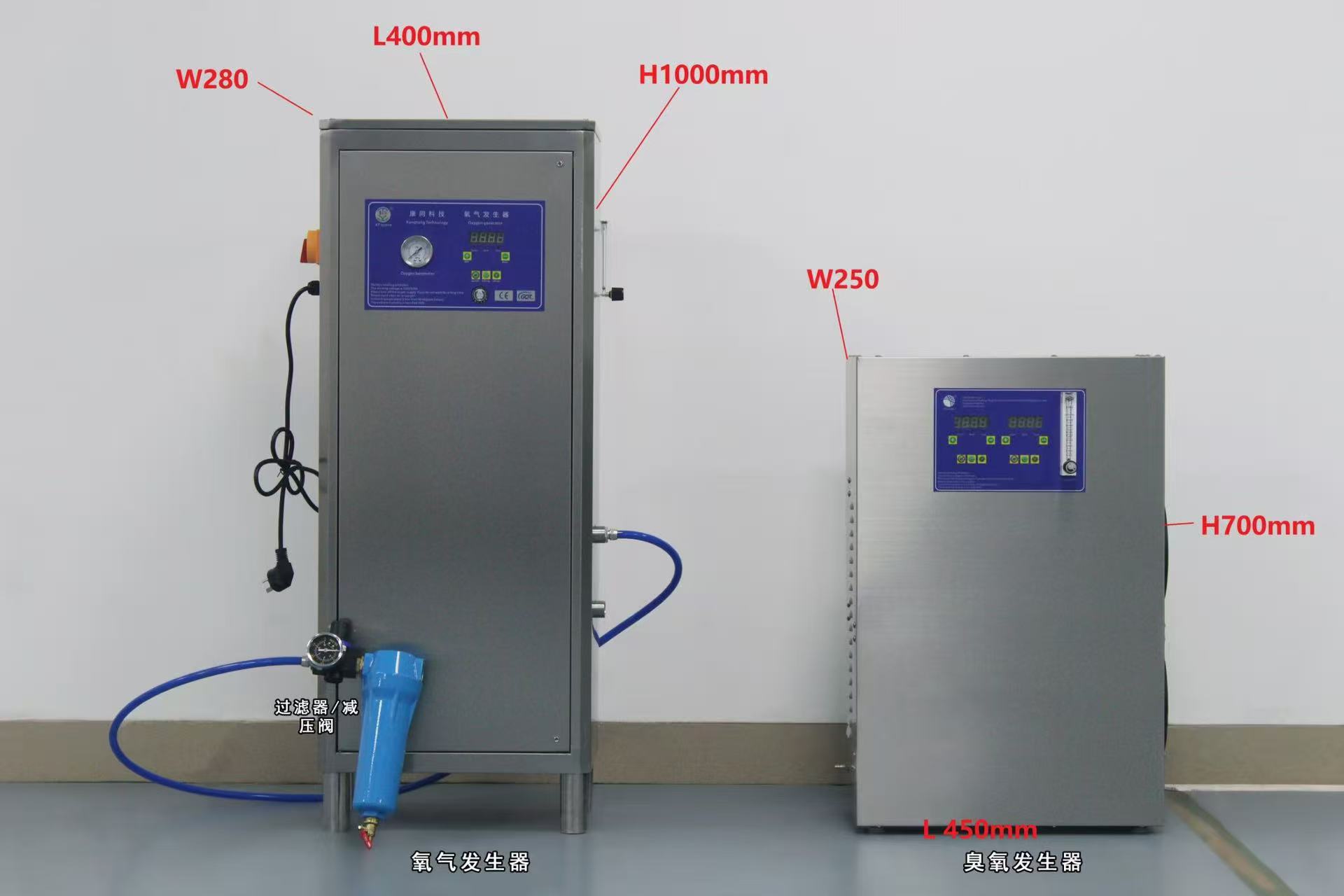
Sales Plan for Environmental Protection Ozone Equipment Factory
Sales Plan for Environmental Protection Ozone Equipment Factory
1. Market Analysis and Positioning
1.1 Current Market Analysis
- Industry Trends: Growing global environmental awareness drives increased application of ozone technology in water treatment, air purification, food disinfection, and other fields.
- Policy Support: Stringent national environmental policies and higher standards for industrial emissions and water treatment boost demand for ozone equipment.
- Competitive Landscape: Numerous domestic ozone equipment manufacturers exist, but high-end markets are still dominated by some foreign brands, with intense competition in the mid-range segment.
- Customer Distribution: Municipal water treatment, industrial wastewater treatment, food processing, pharmaceuticals, healthcare, swimming pools, laboratories, and other sectors.
1.2 Target Market Positioning
- Core Targets: Municipal and industrial water treatment (60%), food and pharmaceutical disinfection (25%), other fields (15%)
- Regional Focus: Industrial-intensive areas and regions with strict environmental requirements, such as East China and South China.
- Customer Segmentation:Class A Customers: Large municipal projects, well-known industrial enterprises (value brand, quality, service)Class B Customers: Medium-sized enterprises, regional projects (price-sensitive, require technical support)Class C Customers: Small enterprises, specific industry users (price-sensitive, need standardized solutions)
2. Product Strategy
2.1 Product Line Planning
- High-end Series: Large ozone generators (output ≥10 kg/h), integrated with intelligent control systems, targeting municipal and large industrial projects.
- Mid-range Series: Medium-sized equipment (output 1-10 kg/h), cost-effective, suitable for medium-sized water treatment plants and food factories.
- Standard Series: Small equipment (output ≤1 kg/h), standardized design for swimming pools, laboratories, etc.
- Customized Solutions: Tailored designs for special customer needs (e.g., high-temperature/high-humidity environments, special gas sources).
2.2 Competitive Advantage Development
- Technical Advantages: Highlight high-efficiency ozone generation technology, low energy consumption design, and long-life core components.
- Quality Assurance: ISO certification, optional imported key components, 24-month extended warranty.
- Intelligent Features: IoT remote monitoring, intelligent adjustment of ozone output, fault early-warning system.
- Service Advantages: Rapid response, on-site technical support, regular maintenance reminders.
3. Sales Channel Development
3.1 Direct Sales Team
- Structure: Establish sales offices by major region (East China, South China, North China, Central China, Southwest China).
- Staffing: Each office to be equipped with a sales manager, technical support engineer, and account specialist.
- Responsibilities: Direct engagement with key accounts, project tracking, participation in tenders.
3.2 Distributor Network
- Selection Criteria: Experience in selling environmental protection equipment, local customer resources, technical service capabilities.
- Support Policies: Provide training, technical documentation, sales tools, and project collaboration support.
- Incentive Policies: Tiered commissions, annual rebates, additional rewards for key projects.
3.3 Strategic Partners
- Environmental Engineering Companies: Establish partnerships with large environmental engineering firms to become their preferred equipment supplier.
- Design Institute Collaboration: Build relationships with municipal and industrial design institutes to be included in their recommended equipment lists.
- Industry Associations: Participate in activities of associations like the China Association of Environmental Protection Industry to enhance industry influence.
3.4 Online Channels
- Corporate Website: Product display, technical documentation downloads, online inquiries, case studies.
- Industry Platforms: Open stores on B2B platforms such as Huanbao Online and HC360.
- New Media Marketing: Publish technical articles, application cases, and industry trends on WeChat Official Accounts.
4. Marketing and Promotion Strategy
4.1 Brand Building
- Brand Positioning: "Expert in Efficient and Reliable Ozone Solutions."
- Marketing Materials: Produce professional product catalogs, technical white papers, and application case collections.
- Industry Exhibitions: Participate in 2–3 major environmental exhibitions annually (e.g., IE Expo China).
- Technical Seminars: Regularly host seminars on ozone application technology, inviting potential customers.
4.2 Digital Marketing
- Search Engine Optimization (SEO): Optimize for keywords like "ozone generator," "water treatment equipment."
- Content Marketing: Publish articles on ozone technology, application cases, and industry solutions.
- Online Advertising: Run targeted ads on industry websites and WeChat Official Accounts.
4.3 Customer Relationship Management (CRM)
- CRM System: Establish a customer database to record needs, project progress, and service history.
- Customer Tier Management: Develop differentiated maintenance strategies for different customer tiers.
- Satisfaction Surveys: Conduct quarterly customer satisfaction surveys to drive continuous service improvement.
5. Sales Process and Support
5.1 Standardized Sales Process
- Lead Generation: Market activities, website inquiries, customer referrals, partner introductions.
- Needs Analysis: Technical engineers participate in customer needs assessment, providing preliminary solutions.
- Solution Design: Develop customized solutions based on customer site conditions and treatment requirements.
- Quotation and Negotiation: Provide detailed quotations, explain value composition, conduct business negotiations.
- Contract Signing: Clarify technical parameters, delivery timelines, service terms, payment methods.
- Project Implementation: Coordinate production, delivery, installation, commissioning, and personnel training.
- After-sales Service: Regular follow-ups, preventive maintenance, rapid fault response.
5.2 Sales Toolkit
- Technical Documentation: Product manuals, technical parameter sheets, application guides.
- Solution Templates: Typical solution templates for different industries.
- Case Studies: Detailed descriptions of successful cases, including treatment results and customer feedback.
- Cost Analysis Tools: Help customers calculate ROI and compare operational costs.
5.3 Technical Support System
- Pre-sales Support: Technical solution design, on-site surveys, process validation.
- During-sales Support: Installation guidance, commissioning assistance, operational training.
- After-sales Support: Remote monitoring, regular maintenance, troubleshooting, spare parts supply.
6. Sales Targets and Evaluation
6.1 Sales Target Setting
- Short-term (1 year): Achieve sales of RMB 30 million, sign 8–10 distributors.
- Medium-term (3 years): Reach sales of RMB 80 million, achieve top-five market share in the industry.
- Long-term (5 years): Become a leading domestic ozone equipment brand and expand into overseas markets.
6.2 Performance Evaluation
- Sales Team: Sales revenue (60%), new customer development (20%), collection rate (15%), customer satisfaction (5%).
- Distributors: Sales target achievement, participation in market activities, quality of customer service.
- Technical Support: Solution quality, customer satisfaction, response speed.
7. Budget and Resource Allocation
7.1 Sales Expense Budget
- Personnel Costs: 40% (salaries, bonuses, travel)
- Marketing Promotion: 25% (exhibitions, advertising, marketing materials)
- Channel Support: 20% (distributor training, incentives, joint promotions)
- Customer Service: 10% (after-sales service, customer activities)
- Other: 5%
7.2 Resource Allocation
- Human Resources: Recruit sales talent with industry experience, strengthen technical training.
- Demonstration Equipment: Equip each office with small demonstration units.
- Technical Support: Establish a 24/7 technical support hotline and equip emergency service vehicles.
8. Risk Management
8.1 Market Risk Response
- Increased Competition: Continuous technological innovation, improved cost-performance, enhanced customer relationship management.
- Policy Changes: Closely monitor environmental policy trends and adjust product direction proactively.
- Economic Fluctuations: Diversify application areas to reduce dependence on a single industry.
8.2 Operational Risk Control
- Project Execution Risks: Implement strict project management systems, strengthen progress and quality control.
- Payment Collection Risks: Improve credit evaluation systems, adopt phased payment methods.
- Technical Risks: Increase R&D investment, maintain technological leadership, establish technology reserves.
Plan Summary: This sales plan is based on market segmentation, driving systematic growth in sales of environmental protection ozone equipment through product differentiation, multi-channel development, professional marketing, and comprehensive support systems. The focus is on building dual advantages in "technology + service," establishing long-term customer relationships, and gradually enhancing brand influence and market share.
Implementation Recommendations: It is recommended to implement this plan in three phases: Phase 1 (Months 1–6) focuses on building sales channels and brand foundation; Phase 2 (Months 7–18) expands market coverage and increases sales volume; Phase 3 (Months 19–36) consolidates market position and explores new application areas. Evaluate plan execution quarterly and adjust strategies flexibly based on market feedback.
环保臭氧设备厂销售方案
一、市场分析与定位
1.1 市场现状分析
- 行业趋势:全球环保意识提升,臭氧技术在水处理、空气净化、食品消毒等领域的应用持续增长
- 政策支持:国家环保政策趋严,对工业排放、水处理标准提高,推动臭氧设备需求
- 竞争格局:国内臭氧设备厂商众多,但高端市场仍被部分外资品牌占据,中端市场竞争激烈
- 客户分布:市政水处理、工业废水处理、食品加工、制药、医疗、游泳池、实验室等领域
1.2 目标市场定位
- 核心目标:市政与工业水处理(占比60%)、食品医药消毒(占比25%)、其他领域(15%)
- 区域重点:华东、华南等工业密集区及环保要求严格地区
- 客户分层:A类客户:大型市政项目、知名工业企业(重视品牌、质量、服务)B类客户:中型企业、区域性项目(性价比敏感,需技术支持)C类客户:小型企业、特定行业用户(价格敏感,需求标准化)
二、产品策略
2.1 产品线规划
- 高端系列:大型臭氧发生器(产量≥10kg/h),集成智能控制系统,主打市政、大型工业项目
- 中端系列:中型设备(产量1-10kg/h),性价比高,适合中型水厂、食品工厂
- 标准系列:小型设备(产量≤1kg/h),标准化设计,用于游泳池、实验室等
- 定制化方案:根据客户特殊需求(如高温高湿环境、特殊气体源)提供定制设计
2.2 竞争优势打造
- 技术优势:突出高效臭氧发生技术、低能耗设计、长寿命核心部件
- 质量保证:ISO认证、关键部件进口可选、24个月超长质保
- 智能化:物联网远程监控、智能调节臭氧产量、故障预警系统
- 服务优势:快速响应、现场技术支持、定期维护提醒
三、销售渠道建设
3.1 直销团队
- 架构:按大区设立销售办事处(华东、华南、华北、华中、西南)
- 人员配置:每个办事处配置销售经理、技术支持工程师、客户专员
- 职责:负责大客户直接对接、项目跟踪、招投标参与
3.2 代理商网络
- 选择标准:具备环保设备销售经验、有当地客户资源、有技术服务能力
- 支持政策:提供培训、技术资料、销售工具、项目协作支持
- 激励政策:阶梯式佣金、年度返点、重点项目额外奖励
3.3 战略合作伙伴
- 环保工程公司:与大型环保工程公司建立合作关系,成为其设备供应商
- 设计院合作:与市政、工业设计院建立联系,进入其设备推荐名录
- 行业协会:参与中国环保产业协会、各行业协会活动,提升行业影响力
3.4 线上渠道
- 企业官网:产品展示、技术资料下载、在线咨询、案例分享
- 行业平台:在环保在线、慧聪网等B2B平台开设店铺
- 新媒体营销:微信公众号发布技术文章、应用案例、行业动态
四、营销推广策略
4.1 品牌建设
- 品牌定位:“高效可靠的臭氧解决方案专家”
- 宣传材料:制作专业产品样本、技术白皮书、应用案例集
- 行业展会:每年参加2-3次大型环保展会(如中国环博会)
- 技术研讨会:定期举办臭氧应用技术研讨会,邀请潜在客户参加
4.2 数字营销
- 搜索引擎优化:针对“臭氧发生器”、“水处理设备”等关键词优化
- 内容营销:发布臭氧技术文章、应用案例、行业解决方案
- 线上广告:在行业网站、微信公众号进行精准广告投放
4.3 客户关系管理
- CRM系统:建立客户数据库,记录客户需求、项目进展、服务历史
- 客户分级管理:针对不同级别客户制定差异化维护策略
- 满意度调查:每季度进行客户满意度调查,持续改进服务
五、销售流程与支持
5.1 销售流程标准化
- 线索获取:市场活动、网站咨询、客户推荐、合作伙伴转介
- 需求分析:技术工程师参与客户需求调研,提供初步方案
- 方案设计:根据客户现场条件、处理要求设计定制化方案
- 报价与谈判:提供详细报价,解释价值构成,进行商务谈判
- 合同签订:明确技术参数、交付时间、服务条款、付款方式
- 项目实施:协调生产、发货、安装调试、人员培训
- 售后服务:定期回访、预防性维护、快速故障响应
5.2 销售工具包
- 技术资料:产品手册、技术参数表、应用指南
- 方案模板:不同行业的典型解决方案模板
- 案例展示:成功案例详细说明,包括处理效果、客户反馈
- 成本分析工具:帮助客户计算投资回报率、运营成本对比
5.3 技术支持体系
- 售前支持:技术方案设计、现场勘察、工艺验证
- 售中支持:安装指导、调试协助、操作培训
- 售后支持:远程监控、定期维护、故障排查、备件供应
六、销售目标与考核
6.1 销售目标设定
- 短期目标(1年):实现销售额3000万元,签约代理商8-10家
- 中期目标(3年):销售额达到8000万元,市场占有率进入行业前五
- 长期目标(5年):成为国内臭氧设备领先品牌,拓展海外市场
6.2 绩效考核
- 销售团队:销售额(60%)、新客户开发(20%)、回款率(15%)、客户满意度(5%)
- 代理商:销售额达成率、市场活动参与度、客户服务质量
- 技术支持:方案质量、客户满意度、响应速度
七、预算与资源分配
7.1 销售费用预算
- 人员费用:40%(薪资、奖金、差旅)
- 市场推广:25%(展会、广告、宣传材料)
- 渠道支持:20%(代理商培训、激励、联合推广)
- 客户服务:10%(售后服务、客户活动)
- 其他:5%
7.2 资源配置
- 人力资源:招聘有行业经验的销售人才,加强技术培训
- 样品设备:为每个办事处配备小型演示设备
- 技术支持:建立24小时技术支持热线,配备应急服务车
八、风险管理
8.1 市场风险应对
- 竞争加剧:持续技术创新,提升性价比,加强客户关系维护
- 政策变化:密切关注环保政策动向,提前调整产品方向
- 经济波动:拓展多元应用领域,降低对单一行业的依赖
8.2 运营风险控制
- 项目执行风险:严格项目管理制度,加强进度与质量控制
- 回款风险:完善信用评估体系,采用分阶段付款方式
- 技术风险:加强研发投入,保持技术领先,建立技术储备
方案总结:本销售方案以市场细分为基础,通过产品差异化、多渠道建设、专业营销和全面支持体系,系统化推动环保臭氧设备的销售增长。重点在于打造“技术+服务”双重优势,建立长期客户关系,逐步提升品牌影响力与市场份额。
实施建议:建议分三个阶段实施本方案:第一阶段(1-6月)重点建设销售渠道与品牌基础;第二阶段(7-18月)扩大市场覆盖与提升销量;第三阶段(19-36月)巩固市场地位并拓展新应用领域。每季度评估方案执行效果,根据市场反馈灵活调整策略。